
Last Updated: November 4, 2026
Quick Summary
To prevent guitar hardware corrosion, wipe down the guitar after every session with a dry microfiber cloth to remove sweat and skin oil. Keep it stored in a stable, moderately humid room, and use a hygrometer and humidity control packs in the case.
- Wipe strings, bridge, saddles, and tuners after every session to remove sweat and skin oil.
- Identify your hardware finish first, since gold plating and black coating need gentler care.
- Lubricate tuner gears and bridge pivots with a single drop of light oil every few months.
- Store the guitar in a room away from basements, garages, and windows, and check it monthly.
Table of Contents
- What Causes Guitar Hardware Corrosion
- Identify Your Hardware Material Before You Start
- Step 1: Wipe Down the Guitar After Every Session
- How to Clean Guitar Hardware Safely
- How to Remove Rust From Guitar Hardware
- Step 2: Lubricate Moving Metal Parts
- Best Way to Store a Guitar to Prevent Rust
- Climate Control: Humidity, Desiccants and Silica Gel
- Guitar Hardware Maintenance Tools and Products Worth Owning
- Your Next Step: Build a Corrosion-Free Routine
- Frequently Asked Questions
What Causes Guitar Hardware Corrosion
Guitar hardware corrosion happens when moisture, sweat, and skin oil sit on metal parts long enough to break down their protective finish. Bridges, tuning pegs, saddles, screws, and pickup pole pieces are the most common targets. Once the finish is gone, the bare metal starts to oxidize. For a related look at how neck stress affects the moving parts you are lubricating, see how neck tension interacts with hardware.
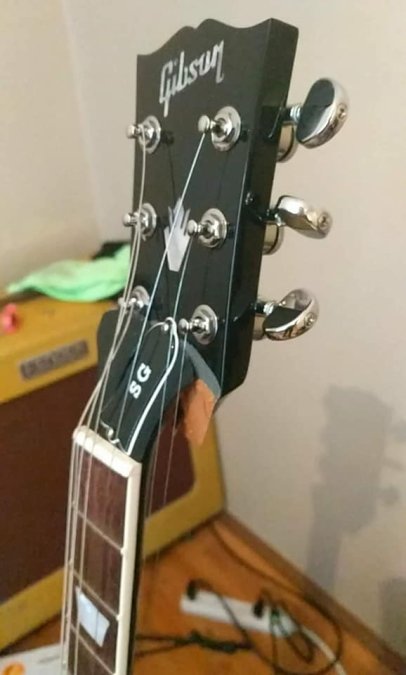
Most players never see the early stage. A thin haze forms on a bridge plate or a string saddle, and it looks like a little dust. By the time it looks like rust, the damage has usually spread under the surface.
The main causes are simple:
- Sweat and skin oil from hands transferring to strings and hardware
- Humidity in the air, especially in humid rooms or in a case with no moisture control
- Temperature swings that cause condensation on cold metal
- Storage in a damp space such as a basement, garage, or car trunk
- Galvanic corrosion when two different metals touch in the presence of moisture
Understanding these causes makes prevention easier. Every habit in this guide targets one or more of them.
Identify Your Hardware Material Before You Start
Guitar hardware is not one metal. Chrome-plated steel, nickel, gold plating, black coating, brass, and aluminum each react differently to sweat, cleaners, and abrasion. Using the wrong product on the wrong finish is one of the fastest ways to turn a light haze into permanent plating loss.
Check your guitar before you buy any product. Look at the bridge, tuners, saddles, and pickup covers. Chrome and nickel are bright and show light spots when the plating begins to wear. Gold plating is softer and dulls or wears through at contact points. Black-coated hardware can chip at edges and expose the base metal underneath. Brass has a warm, yellowish tone and tarnishes to dull brown. Aluminum dulls and pits.
Here is a material-by-material guide to risk and care:
| Hardware Material | Common Location | Main Risk | Safe Care | Avoid |
|---|---|---|---|---|
| Chrome-plated steel | Bridge, tuners, pickup covers | Pitting once plating wears | Dry wipe, light oil on screws | Abrasive pads, acidic cleaners |
| Nickel | Tuners, saddles, pole pieces | Surface haze and tarnish | Dry wipe, occasional nickel-safe polish | Harsh solvents, repeated polishing |
| Gold plating | Premium tuners, bridges, pickup covers | Soft plating wears at contact points | Dry microfiber wipe only | Polishes, abrasives, alcohol |
| Black coating | Modern bridges, tuners, covers | Chipping at edges exposes base metal | Damp cloth, dry immediately | Solvents, wire brushes |
| Brass | Bridge plates, some tuners | Brown tarnish | Brass-safe cleaner, light polish | Ammonia-based cleaners |
| Aluminum | Some bridges and trem parts | Dulling and pitting | Gentle cleaning, dry storage | Harsh acids, prolonged moisture |
Gold-plated hardware deserves special caution. The plating is thin and soft, so even a mild metal polish can wear through it over time. Stick to a dry microfiber wipe and avoid alcohol or ammonia. Black-coated hardware is similar: the coating is a finish, not the metal, and solvents can cloud or lift it. Wipe with a barely damp cloth and dry immediately.
Nickel is common on vintage-style tuners and pickup pole pieces. It tarnishes faster than chrome but is also softer, so repeated polishing slowly removes metal. A dry wipe after each session does more for nickel than any polish.
Chrome is the most forgiving finish, but once pitting starts, the plating is compromised and no cleaner restores it. At that point, the goal shifts from restoration to slowing the spread.
Check the guitar's manufacturer documentation if you are unsure. Many brands list their hardware finish on their spec sheets. When in doubt, test any cleaner on a hidden area first, such as the back of a tuner or the underside of a bridge plate.
Step 1: Wipe Down the Guitar After Every Session
Wiping the guitar after every session is the single most effective prevention step. It takes about two minutes and removes the sweat and oil that cause most corrosion.
Use a soft, dry microfiber cloth. Wipe the strings from the headstock to the bridge, then wipe the bridge, saddles, tuners, and pickup covers. Pay extra attention to areas your hands touch most often.
Follow these steps each time:
- Lower the tension slightly if you plan to store the guitar for a while.
- Wipe each string from the nut to the bridge with a dry cloth.
- Wipe the bridge plate, saddles, and tuning pegs.
- Wipe the body and neck where your hands rest.
- Let the guitar sit out of its case for a few minutes so any moisture can dry.
Watch out: Never leave a damp cloth on the guitar or let liquid cleaner pool around the bridge or pickups. Trapped moisture causes more harm than the sweat did.
How to Clean Guitar Hardware Safely
Regular wiping handles daily grime. Deeper cleaning every few months removes built-up residue.
Start with a dry microfiber cloth. For sticky residue on strings or hardware, lightly dampen a second cloth with isopropyl alcohol or a cleaner made for guitars. Test any product on a small area first, especially on nitrocellulose finishes or painted parts.
To clean the hardware:
- Remove strings if you have access to the bridge and saddles
- Apply cleaner to the cloth, not directly to the guitar
- Wipe each part and dry it right away
- Use a soft cotton swab for tight spots around screws and pickups
- Avoid steel wool and abrasive pads, which scratch the finish
Clean the strings too. A cloth wipe after each session plus a fresh set of strings every few months keeps the whole instrument in better shape.
How to Remove Rust From Guitar Hardware
Small rust spots can often be removed at home. Work carefully, because rust removal can strip plating if you are too aggressive.
Start with the gentlest method. Rub the spot with a dry cotton cloth or a fine brass wire brush. If that does not work, apply a small amount of light machine oil to the spot, wait a few minutes, and rub with a soft cloth. Oil loosens surface rust without much risk.
For stubborn rust on screws or bridge parts:
- Remove the screw or part if possible
- Soak a cotton swab in light oil and work it into the rust
- Let it sit for 10 to 15 minutes
- Gently rub with a brass brush or fine cloth
- Wipe clean and dry completely
Avoid soaking hardware in vinegar or other acids unless you know the finish can handle it. Acids can remove plating permanently. If rust has eaten deep into the metal, a professional repair or part replacement is safer than home treatment.
Step 2: Lubricate Moving Metal Parts
Moving metal parts such as tuner gears, bridge pivots, and trem springs need light lubrication to resist wear and moisture. Lubrication creates a barrier between metal and air.
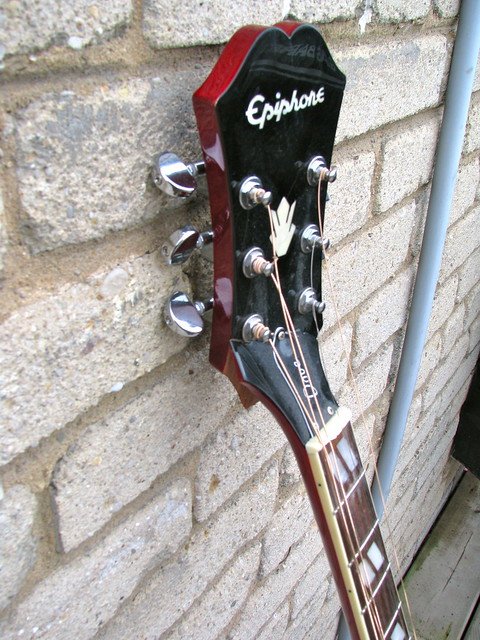
Use a light, guitar-safe lubricant or a fine machine oil. Apply a single drop to each moving joint, then work the part a few times to spread it. Wipe off any excess, because extra oil collects dust and grime.
Lubricate these parts every few months:
- Tuner gears and posts
- Bridge pivot points
- Trem arm joints and springs
- Screw threads on removable parts
Be careful around finished wood and nitro. Keep oil on the metal only, and wipe away drips right away.
Best Way to Store a Guitar to Prevent Rust
Storage matters as much as daily care. A guitar that sits in a damp closet can corrode in weeks, while one stored in a stable room can stay in good shape for years.
Choose a room with steady temperature and moderate humidity. Avoid basements, attics, garages, and rooms next to a bathroom or kitchen. Keep the guitar away from windows, heaters, and air conditioning vents.
For storage, follow these habits:
- Store the guitar in a hard case or a gig bag with a humidity control pack
- Loosen the strings slightly if the guitar will sit for several months
- Clean and wipe the guitar before putting it away
- Check on the guitar once a month and open the case to air it out
A guitar on a wall stand in a dry room is fine. Our guide to storage conditions that avoid neck tension damage covers what to check before you hang it. Just be sure it is out of direct sunlight and away from moisture sources.
Climate Control: Humidity, Desiccants and Silica Gel
Humidity is the biggest environmental factor in hardware corrosion, but the right protocol depends on where the guitar lives. A player in a dry climate fights different problems than a player near salt water.
Start with measurement. A small digital hygrometer costs little and tells you what the room and case actually do. Above 55 percent, condensation and sweat residue stay on metal longer. You can find the practical steps for holding humidity stable all year in a dedicated walkthrough. Below 40 percent, wood shrinks and fret ends sprout, which is a separate problem but worth tracking on the same gauge.
High-humidity climates. In consistently humid regions, a room dehumidifier is more effective than case packs alone because it lowers the whole environment. Run it to hold the room near 45 percent. Inside the case, use a rechargeable dehumidifier pack rather than silica gel alone, since silica saturates quickly in high humidity and stops absorbing. Check the pack every week in summer. A common pattern is for players to recharge packs monthly in dry climates and weekly in humid ones.
Coastal and salt-air environments. Salt air accelerates corrosion on chrome, nickel, and aluminum because salt deposits hold moisture against the metal. Wipe hardware with a barely damp cloth followed by a dry microfiber cloth after every outdoor session, and keep the guitar cased when not in use. A light coat of guitar-safe wax on chrome and nickel bridge parts adds a barrier, but avoid wax on gold plating and black coating. Store the case away from open windows and exterior doors.
Dry climates and winter heating. Indoor heating drops humidity sharply. Use a case humidifier to protect the wood, but keep it away from hardware so moisture does not pool on metal. A hygrometer in the case confirms the pack is working.
Desiccants and silica gel. Silica gel packs absorb moisture inside a closed case. They work well for storage but need replacing or recharging. Reusable packs usually change indicator color when saturated. Place packs in the case away from the guitar's finish, and never let them touch strings or hardware directly. Replace packs when the indicator changes, and recharge reusable packs as the manufacturer directs.
Long-term storage protocol. For a guitar that will sit for months, clean and dry it fully, loosen the strings slightly, and place a fresh desiccant pack plus a hygrometer in the case. Store the case in an interior closet away from exterior walls, and open it once a month to air out and check the gauge. If the hygrometer reads above 55 percent or below 35 percent, adjust the pack or move the case before closing it again.
For long-term storage, pair a hygrometer with a desiccant pack and check the case every month.
Guitar Hardware Maintenance Tools and Products Worth Owning
You do not need a large kit to protect your guitar. A small set of basic tools covers most needs.
Useful items include:
- Microfiber cloths for daily wiping and dry cleaning
- Light machine oil for tuners, pivots, and rust spots
- Brass wire brush for removing light surface rust
- Cotton swabs for tight spots around screws and pickups
- Digital hygrometer for tracking room and case humidity
- Silica gel or humidity control packs for case storage
- Guitar-safe string cleaner for extending string life
Buy quality tools that suit your instrument's finish. Read product labels to confirm the product is safe for your guitar, and skip anything with harsh solvents unless the manufacturer approves it. You can find many of these items at music retailers such as Guitar Center and Sweetwater. If you buy supplies from Atlas C1 during your routine, a 10 % product discount applies, and free shipping is available.
Your Next Step: Build a Corrosion-Free Routine
Protecting your guitar hardware takes a few simple habits repeated often. Start tonight by wiping down your guitar after your next session. Next, check your storage room with a hygrometer and set a monthly reminder to check the case.
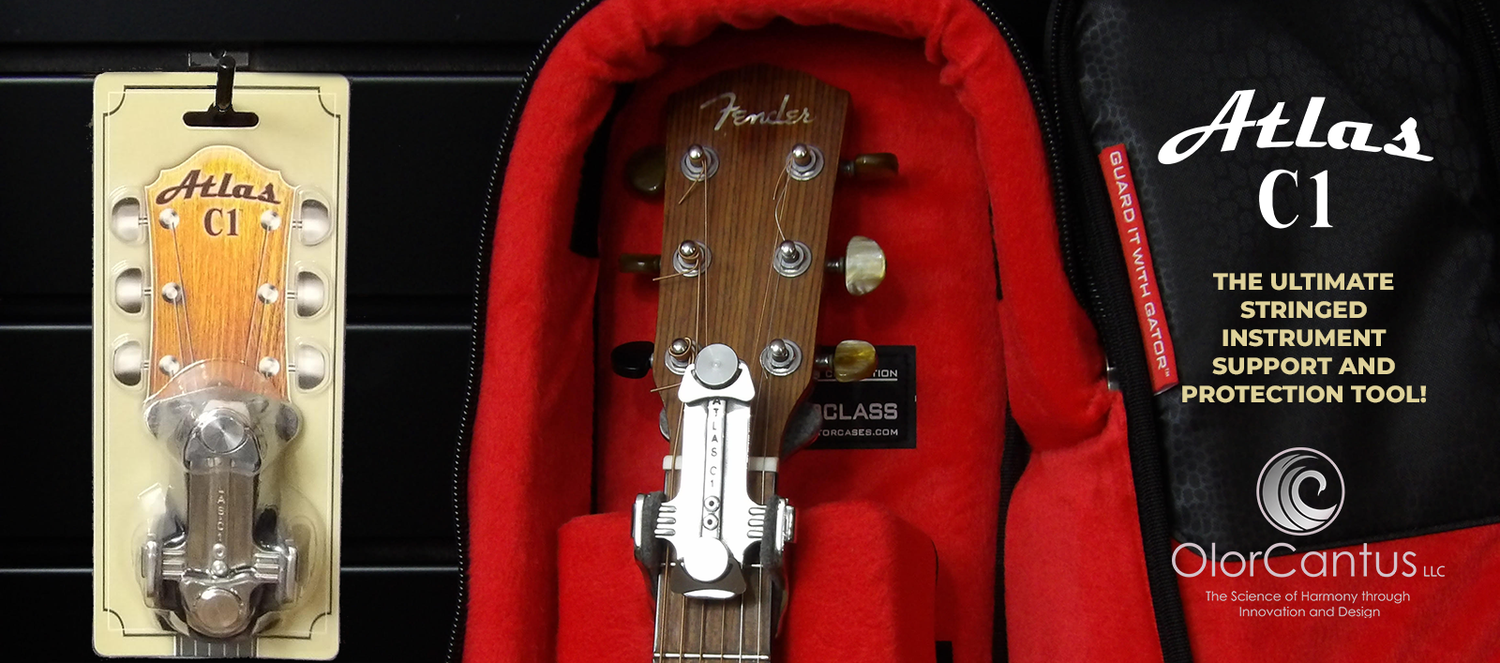
At Atlas C1, we know that hardware protection extends to the headstock too. Our Atlas-C1 is a universal, U.S. patent-protected tool that protects the headstock-neck junction during travel, shipping, and storage, and doubles as a pre-aligned repair jig. It counteracts more than 130 pounds of string pressure.
Build your routine now, and your hardware will keep its finish for years. The Science of Harmony through innovation and design. Long Live the Six String™
Frequently Asked Questions
Will WD-40 prevent metal from rusting?
WD-40 displaces moisture and leaves a thin film that slows rust on bare metal, so it works as a short-term protectant. It is not a long-term barrier, and the film can attract dust. On guitar hardware, apply a small amount to a cloth rather than spraying the instrument directly, wipe away the excess, and keep the part dry. For ongoing protection, use a dedicated light oil or a protective coating designed for instruments, and avoid spraying near pickups or the finish.
Is it safe to use WD-40 on guitar pickups?
Avoid spraying WD-40 directly onto pickups. Overspray can seep into the coil and pole pieces and affect tone, and residue can attract dust. If you need to clean a pickup cover or the metal screws around it, dampen a cloth lightly, wipe gently, and dry immediately. Keep the solvent off the wire leads and the pickup body. Many players prefer a dry microfiber cloth for pickups and reserve lubricants for moving metal parts like tuners and the trem block.
How can I remove corrosion from my guitar hardware?
Start by removing the affected part if it is loose and safe to detach, and work over a towel. Use a fine brass or bronze wool, or a soft brass brush, with a small amount of light oil or a mild cleaner made for metal. Work gently in the direction of the finish, then wipe clean. Avoid steel wool, which can leave particles that rust later. Rinse nothing with water, and dry and oil the part before reinstalling. If pitting is deep or a part is plated and flaking, consult a repair technician.
Can sweat cause guitar strings and hardware to rust?
Yes. Sweat and skin oils contain salts and acids that accelerate oxidation on steel strings, bridge saddles, tuning pegs and screws. Corrosion tends to show up first on parts your hands touch most, such as the bridge, tuners and the area under the strings near the fretboard. Wiping strings, hardware and the fretboard after each session removes most of this residue and is the single most effective habit for preventing rust.