
Last Updated: October 29, 2026
Quick Summary
The best protection for a vintage guitar is a specialist all-risks vintage instrument insurance policy written on an agreed-value basis, with the value documented by a professional appraisal before any loss. Agreed value locks in your payout, while homeowners and renters policies often cap personal property and exclude performance use. Confirm transit, unattended-vehicle and custody terms in writing.
- All-risks policies cover everything except stated exclusions, unlike named-peril policies that list covered events.
- Agreed value pays a figure documented at policy start; replacement value may pay less after depreciation.
- Most specialist insurers require a professional appraisal, dated photos and condition and provenance records.
- Carriers cap their liability, so specialist transit coverage picks up where carrier liability stops.
- Review your valuation schedule annually and after any major purchase, restoration or market shift.
Table of Contents
- Quick Comparison: Best Insurance Policies for Vintage Musical Instruments
- What Musical Instrument Insurance Coverage Actually Covers
- Agreed Value Instrument Insurance vs. Replacement Value
- Instrument Insurance Appraisal Requirements You Need to Meet
- Shipping Insurance for Musical Instruments: Transit, Travel, and Custody
- Specialist Policies Reviewed: Heritage, Anderson Group, Distinguished, and Lark Music
- Exclusions and Claims Scenarios That Catch Vintage Owners
- How to Choose Coverage: A Decision Framework by Instrument Value and Use
- Get a Quote and Protect the Instrument Before It Ships
- Frequently Asked Questions
Quick Comparison: Best Insurance Policies for Vintage Musical Instruments
Choosing the right vintage instrument insurance starts with understanding how a policy values your instrument. Agreed-value policies pay a figure documented before a loss, while replacement-value policies may pay less than an instrument's worth after depreciation. At Atlas C1, we focus on the physical risks that lead to claims, so this comparison covers what determines whether a vintage owner is properly protected.
Below, we break down how musical instrument insurance coverage works, where homeowners policies fall short, and how four specialist carriers stack up for vintage and collectible instruments.
| Policy | Best For | Valuation Basis | Worldwide Coverage | Standout Strength |
|---|---|---|---|---|
| Heritage Players and Collectors | Vintage owners and collectors | Agreed value, with price guides often accepted | Confirm with insurer | Dedicated collector policy |
| Anderson Group Signature | All-risk buyers | Stated value plus diminished value | Stated as available | Diminished-value protection |
| Distinguished Private Collection | Collections and investors | Confirm with insurer | Confirm with insurer | Built for private collections |
| Lark Music | Owners comparing specialist options | Confirm with insurer | Confirm with insurer | Established instrument program |
A complete approach to protection considers both the policy and whether the instrument survives transit intact.
What Musical Instrument Insurance Coverage Actually Covers
Musical instrument insurance coverage is a specialist policy that protects instruments against accidental damage, theft, and loss, typically on an all-risks basis rather than a named-peril list. In practice, that means the burden shifts: instead of proving your loss fits a listed event, the insurer has to show it falls under an exclusion.
That is the core of the coverage. A specialist policy for musical equipment usually bundles several protections that general insurance splits apart or omits:
- Accidental damage, including drops and impact
- Theft and burglary, both at home and on the road
- Physical loss, including misplacement in transit
- Coverage during performance use
- Protection for accessories and related musical equipment
All-Risks Coverage vs. Named-Peril Policies
All-risks coverage protects against everything except what the policy explicitly excludes. Named-peril policies only pay when the cause of loss appears on a short list, such as fire or theft. For a vintage instrument, all-risks is almost always the better structure because the ways a guitar gets hurt are endless and unpredictable.
Where Homeowners and Renters Insurance Falls Short
Homeowners insurance and renters insurance rarely handle vintage instruments well. Standard policies often cap personal property, exclude professional or performance use, and apply a deductible that eats most of a repair bill. Some exclude instruments used to earn money entirely. A collectible instrument deserves its own vintage instrument insurance schedule, not a line item buried in a household policy.
Agreed Value Instrument Insurance vs. Replacement Value
Agreed value instrument insurance pays a figure set and documented when the policy starts, while replacement value pays what it costs to buy a comparable instrument today, minus depreciation in some cases. For a vintage piece, agreed value is the safer bet because it locks in the number before a loss, not after.
The difference matters most when the market moves. A guitar that appreciates can leave you underinsured on a replacement-value policy if the limit was never updated. An agreed-value policy with a current appraisal keeps the payout aligned with reality.
How Depreciation and Appreciation Affect Vintage Claims
Depreciation erodes replacement-value payouts on instruments treated as ordinary property. Appreciation does the opposite, but only if your coverage limit keeps pace. That is why valuation is not a one-time task. Review the schedule annually, and after any major purchase, restoration, or market shift.
Instrument Insurance Appraisal Requirements You Need to Meet
Most specialist insurers want a documented value before they will write an agreed-value policy. Instrument insurance appraisal requirements vary by carrier and by instrument value, but the common thread is proof: a professional appraisal, dated photographs, and a clear description of condition and provenance.

A written appraisal from a qualified expert typically carries the most weight. Some carriers accept a recognized vintage price guide as a valuation source, though you should confirm acceptable documentation directly with the insurer before relying on it.
Proof of Ownership and Condition Documentation
Proof of ownership protects you if a claim is disputed. Keep receipts, bills of sale, and any provenance records. Condition documentation matters just as much: dated photos of the headstock, neck joint, finish, and any existing wear establish a baseline so a pre-existing flaw is not mistaken for new damage. Photographing the headstock-neck junction specifically is a useful step, since that is where expensive breaks often occur.
Shipping Insurance for Musical Instruments: Transit, Travel, and Custody
Shipping insurance for musical instruments covers the gap between carrier liability and your own policy. Carriers cap their liability, and those caps rarely reflect what a vintage instrument is worth. A specialist policy can pick up where carrier liability stops, though coverage terms vary by insurer.
Transit is where most vintage damage occurs, and the headstock is the usual victim. Angled headstocks under string tension are vulnerable to impact, which is exactly why physical protection belongs in the same conversation as coverage. If you want a deeper look at the risks, our guide on protecting vintage guitars during transit covers what happens to an instrument between cities. For the practical packing sequence that reduces claims risk before anything ships, see our step-by-step protection guide. And because airline liability has its own rules, our breakdown of airline musical instrument policy shows where carrier responsibility ends and your policy must begin.
Document your packing method with photos before sealing the case, since transit claims can depend on showing the instrument was packed to a reasonable standard.
Specialist Policies Reviewed: Heritage, Anderson Group, Distinguished, and Lark Music
Four specialist carriers serve vintage owners. Each takes a different angle on valuation and collection coverage, and the right pick depends on whether you are insuring one player or a whole collection. Below is a structured comparison of how each program is positioned for vintage instruments, followed by the trade-offs that matter when you are insuring an appreciating asset rather than a working tool.
| Carrier / Program | Best For | Valuation Basis | Worldwide Coverage | Vintage-Specific Strength | Watch-Out |
|---|---|---|---|---|---|
| Heritage Players and Collectors | Vintage owners and collectors | Agreed value; price guides often accepted | Confirm with insurer | Dedicated collector policy with a separate dealer/repair program | Premiums and detailed terms not publicly verified |
| Anderson Group Signature | All-risk buyers | Stated value plus diminished value | Stated as available | Diminished-value protection for post-loss collectible value | Confirm whether stated-value and diminished-value options apply to your instrument |
| Distinguished Private Collection | Collections and investors | Confirm with insurer | Confirm with insurer | Built for private collections and investors | Pricing and detailed terms not supplied |
| Lark Music | Owners comparing specialist options | Confirm with insurer | Confirm with insurer | Established instrument program with market history | Current terms and eligibility not verified; confirm current provider directly |
Heritage Players and Collectors Policy
Heritage is positioned for instrument owners and collectors. Confirm current premiums, detailed terms, and travel, shipping, and unattended-vehicle coverage directly with the insurer before binding.
Anderson Group Signature Musical Instrument Insurance
Anderson Group is described as offering all-risk coverage. Confirm whether stated-value and diminished-value options apply to your specific instrument and use.
Distinguished Private Collection Insurance
Distinguished is positioned for private collections. Confirm coverage while playing, transporting, or shipping, and ask how the policy handles newly acquired instruments mid-term.
Lark Music
Lark Music is a musical-instrument insurance provider. Confirm its current program details directly. Current terms, eligibility, and premiums are not verified, and the Allianz transition information comes from forum discussion, so confirm the current provider and program details directly.
How to Compare These Programs for a Vintage Instrument
Run each carrier through the same five questions before you choose:
- Valuation basis. Does the policy pay agreed value, stated value, or replacement value? For vintage instruments, agreed value with a current appraisal is the safest structure.
- Diminished value. After a covered repair, does the policy account for loss of collectible value? Ask explicitly.
- Transit and custody. Does coverage follow the instrument through air travel, ground shipping, dealer custody, and repair-shop custody?
- Unattended exposure. What are the terms for instruments left in vehicles or at venues?
- Documentation. What appraisal sources are accepted, and how often must valuations be updated?
Collector-oriented and general instrument programs may answer these questions differently, so compare the written terms.
Exclusions and Claims Scenarios That Catch Vintage Owners
Policy exclusions are where vintage claims go to die. Specialist policies are often written on an all-risks basis, where the insurer must show a loss falls under an exclusion. That structure favors the owner, but only if you know the exclusion list before a loss. The vintage-specific exclusions below are the ones that most often surprise owners.
Vintage-Specific Exclusion Checklist
- Wear and tear. Gradual deterioration, finish checking, fret wear, and binding shrinkage are generally excluded. Document existing wear at policy inception so new damage is not mistaken for old.
- Humidity and temperature damage. Cracking, seam separation, and warping from improper storage are commonly excluded. Ask whether sudden accidental damage from a HVAC failure is treated differently from gradual exposure.
- Pre-existing damage. Any flaw present before coverage began is excluded. Dated photos of the headstock, neck joint, finish, and any existing wear establish your baseline.
- Unattended vehicles. Many policies exclude or limit losses from instruments left in unattended vehicles. For touring players, this is a real exposure and worth confirming in writing.
- Unattended performance venues. Losses from instruments left at a venue after a performance may be excluded or sub-limited. Confirm the terms for load-out and green-room storage.
- Improper storage or shipping. Losses caused by packing that does not meet a reasonable standard are commonly denied. Photograph your packing method before sealing the case.
- Insect damage. Pest damage is often excluded or treated as gradual deterioration.
- Mysterious disappearance. Some policies exclude unexplained loss, which is different from theft with evidence of forced entry.
Claims Scenarios and Required Evidence
The claims process is straightforward if your documentation is ready. The scenarios below show what evidence typically matters.
Theft from a vehicle. Report promptly to police and to the insurer. Expect to provide the appraisal, proof of ownership, dated photos, and evidence of forced entry. If the policy excludes unattended-vehicle losses, the claim may be denied regardless of documentation, which is why the exclusion review comes first.
Accidental damage at a performance. Get a written repair estimate from a qualified luthier before authorizing work. Provide dated photos of the damage and your baseline condition photos. If the repair affects collectible value, ask whether diminished-value coverage applies.
Shipping damage. Document the packing method with photos before sealing the case, photograph the unopened box and the damage immediately on arrival, and keep the carrier's claim record. A common pattern is that transit claims fail because the owner cannot show the instrument was packed to a reasonable standard.
Loss in dealer or repair custody. Confirm in advance that the policy covers instruments in someone else's possession, and keep the dealer's or shop's intake paperwork as evidence of custody.
Partial restoration and matching parts. If a repair requires replacement parts, ask how the policy handles matching aged components and whether the settlement accounts for loss of collectible value after restoration.
A common mistake is assuming the carrier's shipping protection and your instrument policy cover the same thing, which is why it is worth checking both. If your guitar arrives damaged, our guide on the seven steps to take when your guitar arrives damaged walks through the exact sequence so nothing gets missed.
How to Choose Coverage: A Decision Framework by Instrument Value and Use
Choosing coverage comes down to two variables: what the instrument is worth and how it is used. Run your situation through this framework.
- Value under a few thousand dollars, home use only. A scheduled rider on a renters or homeowners policy may suffice, but check the deductible and whether performance use is excluded.
- Vintage or collectible, any value. Move to a specialist all-risks policy with agreed value. General policies are not built for this.
- Touring or frequent transit. Prioritize worldwide coverage, transit protection, and clear terms for unattended vehicles.
- Full collection or investment holdings. Look for a private-collection policy and review the schedule annually.
- Dealer or repair custody. Confirm the policy covers instruments while in someone else's possession.
Then document everything: appraisal, photos, receipts, and condition notes. Coverage is only as good as the evidence behind it.
Get a Quote and Protect the Instrument Before It Ships
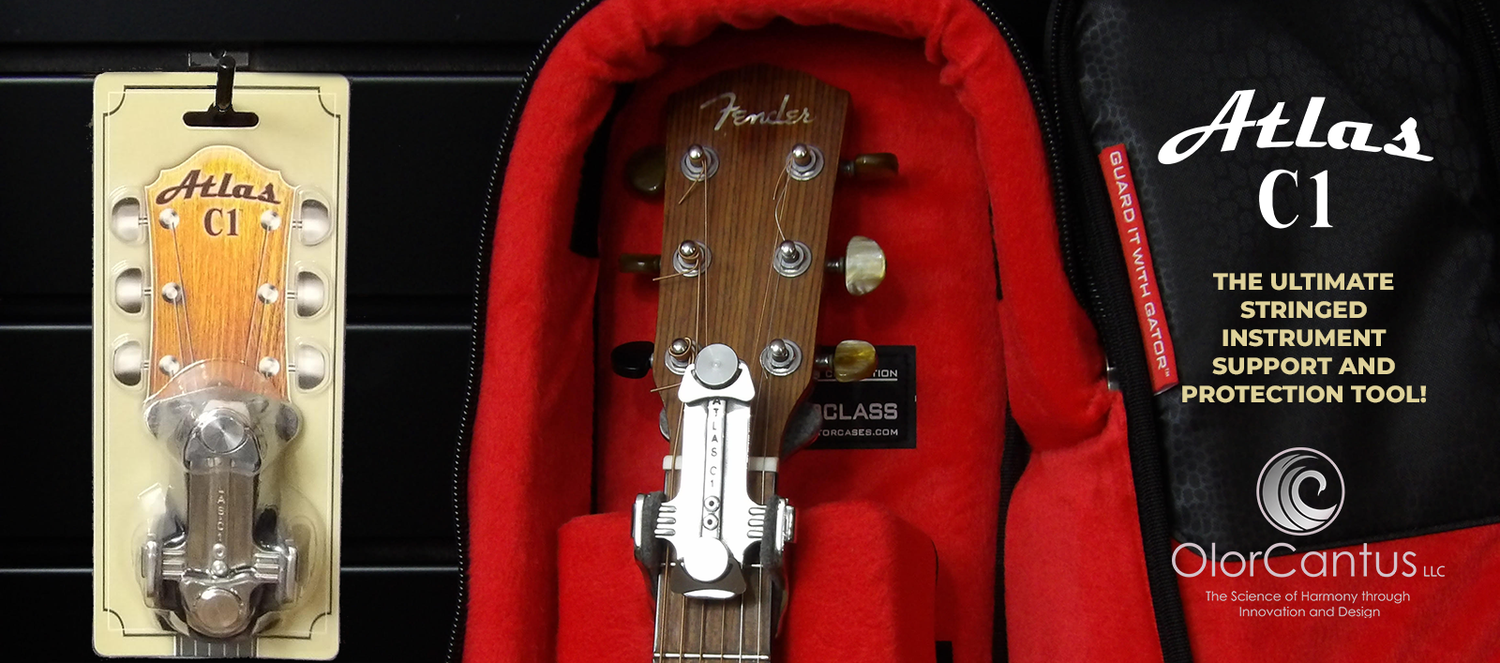
Insurance answers the question of what happens after a break. Preventing the break is the better outcome, and that is where the physical side of protection earns its place alongside the policy. The Atlas C1 is a universal multi-function guitar headstock tool that supports the vulnerable headstock-neck junction during travel, shipping, and storage, and doubles as a pre-aligned repair jig.
Before you ship an insured vintage instrument, get the Atlas C1 headstock protector and put protection in the case, not just on paper. Professional touring musicians including Pete Townshend and Greg Martin have used it, and it is available at Guitar Center. Ask about the 10 % product discount and free shipping when you order.
Frequently Asked Questions
What is the best insurance for vintage musical instruments?
There is no single best policy for every owner. Several specialist carriers, including Heritage, Anderson Group, Distinguished, and Lark Music, offer instrument insurance, but terms differ on valuation, travel, and exclusions. Compare agreed value instrument insurance options first, confirm whether shipping and performance use are covered, and request written quotes. The right choice depends on your instrument's value, how often it travels, and whether you need diminished-value protection.
Does homeowners insurance cover vintage musical instruments?
Homeowners and renters policies usually cap musical equipment at a low sublimit and may exclude or restrict coverage away from the home. A vintage guitar played out, shipped, or stored in a vehicle often falls outside that protection. A specialist musical instrument insurance coverage policy with scheduled property and agreed value closes those gaps. Check your existing policy's sublimit and off-premises terms before assuming you are covered.
Are vintage instruments insured for replacement value or agreed value?
It depends on the policy. Replacement value pays what a comparable instrument costs today, which can underserve a collectible with unique provenance. Agreed value instrument insurance sets a fixed amount based on appraisal, and Some insurers offer stated value plus diminished-value coverage, which you can ask about for a vintage instrument. Confirm in writing which basis applies and how partial restoration or appreciation is handled.
What documentation do I need to insure a vintage instrument?
Expect to provide a recent appraisal from a qualified expert, proof of ownership such as receipts or bills of sale, and condition documentation including detailed photos of the headstock, neck junction, and any repairs. Confirm acceptable valuation documentation directly with the insurer. Keep the appraisal current and update it when market values shift or after significant restoration work.
Does musical instrument insurance cover damage during shipping?
Specialist policies often include transit coverage, but terms vary. Coverage terms for shipping vary by insurer, so confirm transit limits and packing requirements in writing. Shipping insurance for musical instruments usually requires evidence of secure packaging and may exclude damage from improper handling inside a case. Before shipping, confirm the transit limit, whether the instrument must travel in a hard case, and what evidence a claim requires.
The gap between a policy that pays and a claim that gets denied usually comes down to documentation and preparation. Insure the instrument properly, then protect it physically so you never need to test the policy. Get started with Atlas C1 and safeguard your vintage instrument before its next trip.