
Quick Summary
The best guitar string changing tools for beginners are a string winder, a pair of string cutters, and a bridge-pin puller if you own an acoustic guitar. These three tools cover most restringing work, and a manual winder saves the most time for the least money. Protective accessories and cleaning items can be added later.
- A string winder is the single biggest time saver during a string change.
- String cutters leave a clean trimmed end that will not poke at your fingers.
- A bridge-pin puller removes acoustic bridge pins without scratching the bridge.
- Manual winders are the safer starting point for beginners than power winders.
- Check tuning peg size and locking tuner compatibility before buying a winder.
Table of Contents
- Why the Right String Changing Tools Save Time and Protect Your Guitar
- How to Change Guitar Strings: The Basic Workflow
- The Essential Tools: Winders, Cutters, and Bridge-Pin Pullers
- Best Guitar String Changing Tools for Beginners: Side-by-Side Picks
- Compatibility: Acoustic, Electric, and Classical Guitars
- Building a Complete Guitar String Changing Kit on a Budget
- Using Winders and Tools Safely to Avoid Scratches and Damage
- Other Guitar Maintenance Tools Worth Keeping on Hand
- Choosing Your First String Changing Tool and Next Steps
- Frequently Asked Questions
Why the Right String Changing Tools Save Time and Protect Your Guitar
A string change is simple in principle: remove old strings, install new ones, and tune them up. In practice, the process is where most beginners lose time and sometimes damage the instrument. A dedicated string winder spins the tuning peg far faster than winding by hand. Cutters trim excess string neatly, and a bridge-pin puller removes the pins without scratching the bridge.

Protection matters as much as speed. Loose strings snapping back, tools slipping across a lacquered body, and rushed bends at the headstock all create avoidable wear. Good tools reduce those risks. Players who keep a small, purpose-built kit tend to be more organized about string changes, which helps keep tone consistent between gigs.
How to Change Guitar Strings: The Basic Workflow
Before buying tools, it helps to understand the order of operations. A reliable workflow looks like this:
- Loosen each string and remove it from the tuning post.
- Pull out the bridge pins (acoustic guitars) or unhook the ball ends (electric guitars).
- Clean the fretboard and body while the strings are off.
- Thread the new string through the bridge and tuning post.
- Wind the string onto the post in neat, downward layers.
- Trim the excess and tune to pitch, stretching each string gently.
Each step maps to a tool. Knowing the sequence helps you decide which items you genuinely need on day one.
The Essential Tools: Winders, Cutters, and Bridge-Pin Pullers
Three tool categories cover most restringing work:
- String winders turn the tuning peg quickly. They are the single biggest time saver.
- String cutters trim the leftover string after winding. A sharp pair leaves a clean end that will not poke at your fingers.
- Bridge-pin pullers remove the small pins that hold acoustic strings in place. Trying to pry them out with a fingernail or pliers often scratches the bridge.
Many beginners also add a fretboard cleaner and a set of spare strings, but these three tool types are the core.
Best Guitar String Changing Tools for Beginners: Side-by-Side Picks
Below is a focused comparison of beginner-friendly string-changing tools, organized by type and use case. We include only tools with confirmed details from manufacturer or retailer listings; where a detail is unavailable, we note it rather than guess. Prices are listed in USD for reference; check the retailer for current pricing.
| Tool | Type | Best For | Key Specs | Price (USD) |
|---|---|---|---|---|
| MusicNomad GRIP ONE | String-changing multi-tool | Beginners who want one tool for acoustic, electric, and classical guitars | Integrated winder, cutter, bridge-pin puller; works with standard tuning pegs | $24.99 |
| MusicNomad 6 pc. String Change Tool Kit | Six-piece kit | Players who prefer a complete set with a case | Includes winder, cutter, bridge-pin puller, and protective items | $39.99 |
| Strings By Mail Bridge-Bib Protection | Protective accessory | Keeping the finish safe during changes | Fits most acoustic and electric guitars; protects bridge area | $11.00 |
| CruzTOOLS GrooveTech Guitar Player Tech Kit | Tool kit | Broader guitar maintenance | Includes string winder, cutter, and other maintenance tools | $49.99 |
| MusicNomad GRIP Bit | Power-winding bit | Players who already own a compatible driver | Fits standard 1/4-inch hex drivers; soft material protects finishes | $12.99 |
| Basic guitar string winder (e.g., Dunlop 114) | Peg winder | Simple, dedicated winding | Fits standard tuning pegs; manual operation | $4.99 |
MusicNomad GRIP ONE. This multi-tool combines a winder, cutter, and bridge-pin puller in one hand-held device. It is designed for acoustic, electric, and classical guitars, making it a versatile choice for beginners who own multiple instruments.
MusicNomad 6 pc. String Change Tool Kit. This kit includes the GRIP ONE multi-tool plus a microfiber cloth, a fretboard cleaner, and a protective bridge bib. It comes in a zippered case. For beginners who want everything in one purchase, it is a cost-effective way to cover all string-changing needs. The individual tools are also available separately, but the kit saves about 15% compared to buying each item alone.
Strings By Mail Bridge-Bib Protection.
CruzTOOLS GrooveTech Guitar Player Tech Kit.
MusicNomad GRIP Bit.
Basic guitar string winder (e.g., Dunlop 114).
Manual Winders Versus Power Winders
Manual winders are hand-operated and give you direct control over winding speed and tension. They are inexpensive, require no batteries, and are safe for beginners. Power winders use an electric drill or screwdriver to spin the tuning peg rapidly. They save time on full set changes but require careful speed control to avoid over-tightening or damaging the guitar. For beginners, a manual winder is the safer starting point; consider a power winder once you are comfortable with the restringing process and change strings frequently.
Compatibility: Acoustic, Electric, and Classical Guitars
Not all string-changing tools work with every guitar. The three main types, acoustic, electric, and classical, have different bridge and tuning peg designs, and using the wrong tool can damage the instrument or simply not work. This section explains what to check before buying.
Acoustic guitars typically use bridge pins to hold the strings in place at the bridge. A bridge-pin puller is essential to remove them without scratching the bridge or the top. Most acoustic guitars have standard 3/8-inch tuning pegs, which fit common string winders. However, some vintage or high-end acoustics have slotted headstocks, which require a winder with a narrower profile or a side-mounted crank. Check the winder's description for compatibility with slotted headstocks if your guitar has one.
Electric guitars mostly use ball-end strings that anchor through the body or a tremolo block. Bridge pins are not used, so a bridge-pin puller is unnecessary. Tuning pegs are usually standard 3/8-inch, but some locking tuners (common on modern electrics) have a different post height or require a winder with a deeper cup. If you have locking tuners, look for a winder that explicitly states compatibility, or use a manual winder with a universal fit. Power-winding bits like the MusicNomad GRIP Bit fit standard 1/4-inch hex drivers and work with most electric guitar tuning pegs, but always test at low speed first.
Classical guitars use a slotted headstock and tie the strings at the bridge without pins. String winders for classical guitars need a narrower design to fit between the slots; many standard winders are too wide. Some multi-tools, such as the MusicNomad GRIP ONE, include a classical-compatible winder, but verify before purchase. Bridge-pin pullers are not needed. Cutters are still useful for trimming excess string, but take care not to cut the tied ends too short.
General compatibility tips:
- Check the tool's description for the tuning peg size (most are 3/8-inch, but some are 10mm or have a different shape).
- For acoustic guitars, ensure the bridge-pin puller has a notch that fits your pin size (standard pins are 5 degrees taper).
- If you own multiple guitar types, a multi-tool like the GRIP ONE or a kit that includes multiple winder sizes is more economical than buying separate tools.
- Power winders require a compatible driver; check the bit's shaft size (usually 1/4-inch hex) and your driver's chuck size.
By matching tools to your guitar's specific hardware, you avoid frustration and protect your instrument. When in doubt, consult the manufacturer's compatibility list or ask a knowledgeable retailer.
Building a Complete Guitar String Changing Kit on a Budget
Start with the tools that save the most time and protect the finish, then add items as your needs grow. A practical budget order:

- A manual string winder for speed on every change.
- A pair of sharp string cutters for clean trims.
- A bridge-pin puller if you own an acoustic.
- A protective accessory such as the $11.00 bridge-bib option to guard the finish.
- A cleaning cloth and fretboard conditioner as the last addition.
A complete kit for most beginners can stay modest. Buy from a retailer that lists prices clearly, and compare shipping. Our site offers a 10% product discount and free shipping, which can reduce the total cost of a starter kit.
Using Winders and Tools Safely to Avoid Scratches and Damage
The most common accident is a tool scratching the finish. Work with a soft cloth under the headstock and body. Keep metal tools away from the top, and lift the string rather than dragging it across the wood.
Wind neatly. Stop when the string has two or three turns of slack-free layers. Overwinding can snap a string, and a snapping string is the biggest source of scratches during a change. Trim the end only after the string is tuned, so the cutters do not nick the peg.
Power winders need extra care. Run the driver slowly at the start, keep it square to the peg, and never let the bit touch the headstock finish. Set the drill to low speed until you are comfortable with the motion.
Other Guitar Maintenance Tools Worth Keeping on Hand
String changes are only part of routine care. A few extra items round out the kit:
- Fretboard cleaner to remove grime while the strings are off.
- Polishing cloth for the body and hardware.
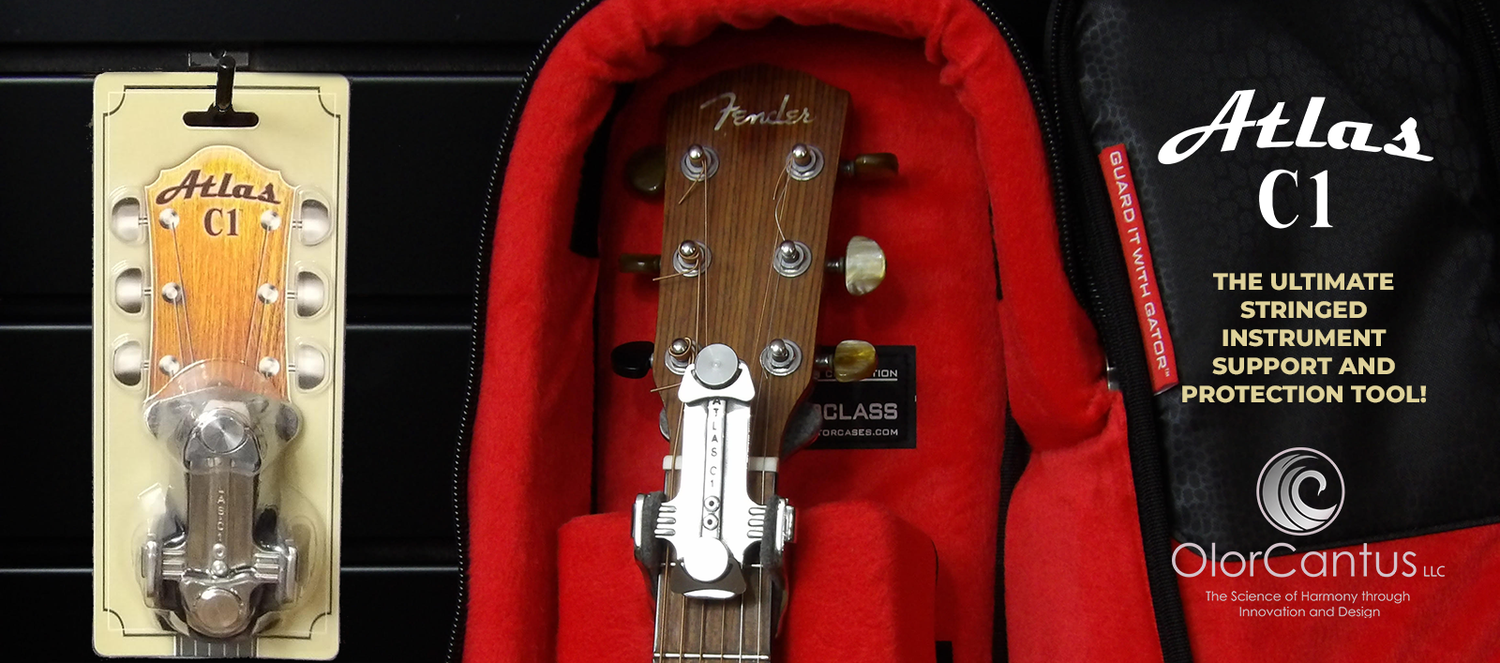
- Headstock protection tool. The Atlas C1 headstock support and protection tool is a multi-function tool that protects the headstock-to-neck junction during travel and storage. It also doubles as a pre-aligned repair jig. Because it addresses a different risk than winding, it complements string tools rather than replacing them. It is designed for travelers and owners of angled-headstock guitars, so it is most useful for players who transport instruments often.
Keep tools in a dedicated case so they are never lost during a change.
Choosing Your First String Changing Tool and Next Steps
If you are buying one tool today, buy a manual string winder. It delivers the biggest time saving for the least money. Add a pair of cutters and, if you own an acoustic, a bridge-pin puller. Then decide whether protection or a complete kit matters more for your situation.
Tool choice depends on what you own and how often you change strings. Check compatibility, read the product description, and buy only what your guitars need. Atlas C1 designs and sells the headstock protection tool described above, and we are happy to answer questions about fit for your instrument.
The Science of Harmony through innovation and design. Long Live the Six String™
Frequently Asked Questions
What tools do beginners need to change guitar strings?
Most beginners need a string winder, a pair of side cutters or a string cutter, and a bridge-pin puller for acoustic guitars. A cloth to protect the finish and a tuner are also useful. Tool needs vary with your guitar type, so check whether your bridge uses pins or a tie-block design before buying. Starting with a winder and cutters covers the majority of restringing tasks.
Do you need a string winder to change guitar strings?
No, you can wind strings by hand, but a string winder cuts the time significantly, especially on guitars with six tuning pegs. A winder is most useful when you change strings regularly. Beginners who restring only a few times a year can manage without one, though a basic manual winder is inexpensive and reduces wear on your hands and the tuning pegs.
Can you change guitar strings without a string winder?
Yes. Wind each string by hand around its tuning peg, leaving two or three wraps for stability. The process takes longer and requires more care to keep the windings neat. Use side cutters to trim excess string, and keep the guitar on a soft surface to avoid scratches while you work.
How do you use a string winder without damaging your guitar?
Insert the winder bit into the tuning peg, hold the headstock steady, and turn slowly in short bursts. Keep the winder aligned with the peg to avoid pressure on the headstock finish. Protect the finish with a cloth and avoid over-tightening. Powered winders should be run at low speed, since fast rotation can scratch finishes or strip string ends.