

Last Updated: November 1, 2026
Quick Summary
Early signs of neck fatigue include a slow, one-directional change in neck relief, rising or falling string action, fret buzz that spreads or worsens, and tuning that keeps drifting. Sighting the neck along a straightedge and logging relief readings over time helps you separate true neck fatigue from normal seasonal movement.
- Measure relief the same way each time, at the same fret, string and capo position.
- A reading that drifts in one direction across checks suggests neck fatigue rather than seasonal movement.
- Log room humidity and temperature alongside each relief reading to spot environmental effects.
- Note where fret buzz occurs, since buzz on the first few frets often points to neck relief.
- Take a luthier's help if relief keeps drifting in one direction despite stable humidity.
Table of Contents
- What Guitar Neck Fatigue Is and Why Early Signs Matter
- How to Check a Guitar Neck Before You Look for Problems
- How to Sight a Guitar Neck Along the Fretboard
- Guitar Neck Relief: Measuring Bow Under String Tension
- Guitar Neck Warping Signs You Can Spot at Home
- Playability Symptoms: Action, Fret Buzz, and Tuning Drift
- Causes and Risk Factors Behind Neck Fatigue
- Tracking Neck Changes Over Time Without Risking Damage
- Booking Your Next Neck Check With a Luthier
- Frequently Asked Questions
Guitar necks rarely fail overnight. A neck that is slowly losing its stability often shows small changes first: a little more buzz on the first few frets, a tuning that drifts, or a gap under the strings that was not there last spring. Catching these early signs gives you time to act before a small issue becomes an expensive repair.
This guide from Atlas C1 explains how to spot those early changes and how to tell them apart from normal seasonal movement. You will learn simple checks you can do at home, when to track changes over time, and when to bring your instrument to a luthier.
What Guitar Neck Fatigue Is and Why Early Signs Matter
Guitar neck fatigue is the gradual loss of a neck's straightness or stability under the constant pull of the strings. Over months and years, that pull can slowly change how the neck sits.
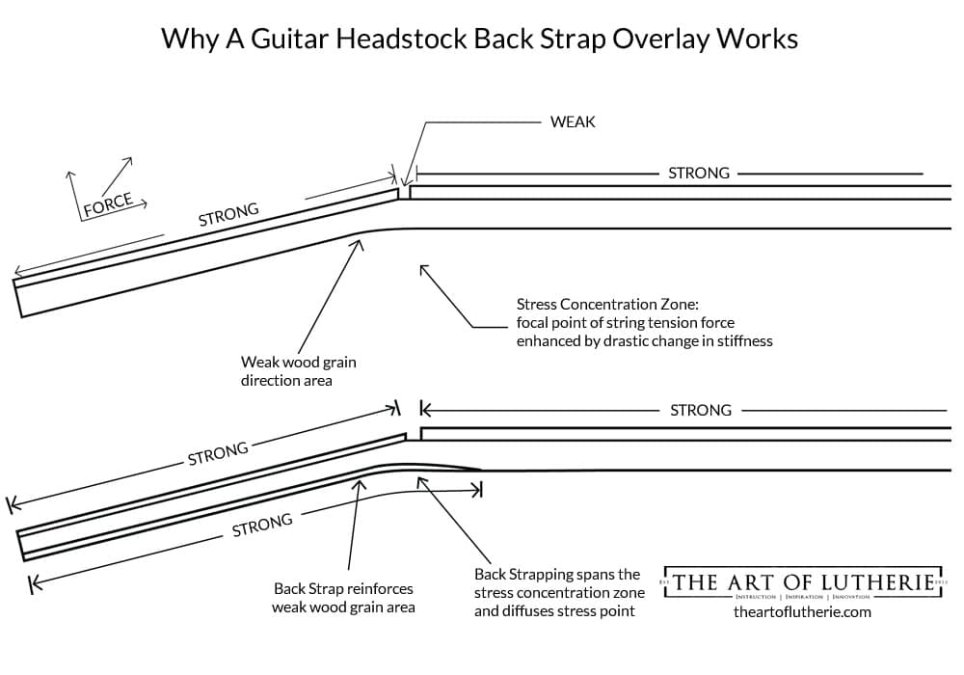
Early signs matter because the change is usually slow. Acting on a small shift is far easier than fixing a neck that has moved a lot. A quick check every few months can show you whether something is changing.
Fatigue Versus Ordinary Seasonal Movement
Wood moves with humidity and temperature. A neck may bow a little in a dry winter and settle back in a humid summer. This is normal.
Fatigue is different. It tends to show up as a change that does not reverse with the seasons. If your neck looks different in the same conditions a year later, that is worth a closer look.
Watch out: do not assume every change is seasonal. A neck that keeps moving in one direction needs attention, not just patience.
How to Check a Guitar Neck Before You Look for Problems
Before you check for specific issues, set up the guitar the way you normally play it. Tune it to pitch and let it sit in the room for a few hours so it has time to settle.
Work in a steady, well-lit space. Note the room's temperature and humidity if you have a gauge, since these affect how the wood reacts.
Keep a simple log. Record the date, the conditions, and what you see. A log is the most useful tool for spotting fatigue over time.
How to Sight a Guitar Neck Along the Fretboard
Sighting is the simplest visual check. Remove the strings or loosen them, then lay the guitar flat on a stable surface.
- Place a straightedge or a single string from the nut to the heel.
- Look down the length of the fretboard at eye level, sighting along the edge.
- Check for any gap between the straightedge and the frets.
- Compare the gap at the first fret, the middle, and the last fret.
A neck that is straight will show an even line with little or no gap. A gap in the middle that grows over time suggests the neck is bowing.
Guitar Neck Relief: Measuring Bow Under String Tension
Relief is the slight, controlled forward bow in a neck that lets strings vibrate without choking on the frets. Every playable guitar has some relief; the question is whether that relief is stable or slowly growing. Measuring it under string tension is the single most useful early-warning check you can perform at home.
The Measurement Sequence
- Tune to your normal pitch and let the guitar sit in the room for at least an hour so the wood and strings stabilize.
- Capo or fret the low E string at the first fret.
- Fret the same string at the fret where the neck meets the body (commonly the 14th fret on many acoustics, the 15th or 17th on many electrics, and the 17th or higher on many basses).
- Look at the gap between the bottom of that string and the top of the 7th or 8th fret.
- Slide a feeler gauge into the gap until it just touches both surfaces. Record the thickness that fits.
Reading the Number
Factory setup specs vary by manufacturer and model, so the manufacturer's spec for your specific guitar is the reference. What matters for fatigue detection is not the absolute number but the trend across repeated checks.
What the Trend Tells You
A neck that reads 0.010 inches in January, 0.011 in April, and 0.013 in July is telling you something different from a neck that reads 0.010 in January, 0.012 in April, and 0.010 in July. The first pattern is a one-directional drift, the classic signature of fatigue. The second is seasonal movement that reverses as humidity changes. Log the number each time; the pattern is the diagnosis.
What Not to Do
Do not loosen the truss rod to 'test' relief. Do not tighten it to see if the buzz goes away. A truss rod adjustment made without a baseline measurement can mask a developing problem or, worse, add a back-bow that is harder to correct than the original forward bow. If your relief reading is outside the manufacturer's range and the trend is worsening, that is a conversation for a luthier, not a DIY adjustment.
manufacturer setup specifications
Guitar Neck Warping Signs You Can Spot at Home
Some signs of warping are easy to see without tools:
- A visible bow or dip when you look down the neck
- Strings sitting noticeably higher or lower than they used to
- A twist, where one side of the neck seems higher than the other
- Gaps under a straightedge that change from one fret to the next
- A neck that feels different when you hold it against a flat surface
Check the headstock and the neck joint as well. Any gap, crack, or unusual movement at the joint is a reason to seek help quickly.
Playability Symptoms: Action, Fret Buzz, and Tuning Drift
Playing changes often show up before visual ones. These are the common signs:
- Action changes: The strings sit higher or lower than before, making the guitar harder or easier to play.
- Fret buzz: A buzzing sound on certain frets or open strings. Note exactly where it happens.
- Tuning drift: The guitar stays in tune poorly, especially on the first few frets or after bending strings.
- Uneven frets: Some notes feel off or sound flat compared with others.
Track where the buzz happens. Buzz that appears on the first few frets often points to neck relief. Buzz that appears higher up can point to something else, such as frets or the bridge, so it is worth an expert look.
Causes and Risk Factors Behind Neck Fatigue
Neck fatigue builds from a few common causes:
- Constant string tension over many years
- Frequent changes in humidity and temperature
- Storage in hot cars, near heaters, or in damp rooms is one of the main contributors, and how storage conditions cause neck tension damage and how to prevent it is worth reviewing before you store your guitar.
- Heavier string gauges than the neck was built for
- Age and the natural drying of the wood
Instruments that spend long periods strung up and unplayed can also show more movement. If you store a guitar for months, check it when you bring it back out.
Tracking Neck Changes Over Time Without Risking Damage
The single biggest advantage you have over a luthier diagnosing a neck problem is time. A luthier sees a snapshot; you can see the movie. A simple, repeatable log turns that advantage into a diagnosis. Most players never build one, which is why gradual fatigue so often gets mistaken for 'the guitar just feels different lately.'
Build a One-Page Neck Log
Keep a single sheet, paper or a notes app, with one row per check. Each row should capture:
- Date of the check
- Room temperature (a cheap hygrometer covers this and humidity)
- Relative humidity at the time of measurement
- Relief reading in thousandths of an inch, taken the same way every time
- Action at the 12th fret on the low and high E strings, measured in 64ths of an inch with a string action gauge
- Tuning behavior, did the guitar hold pitch overnight, or did it drift flat or sharp?
- Buzz notes, which frets and strings buzzed during a short test phrase
- String age and gauge, a fresh set of heavier strings will change relief readings on its own
A row takes about five minutes. Ten rows over two years will tell you more about your neck than any single inspection.
Separate the Variables
Fatigue detection fails when environmental and setup variables get mixed into the reading. Before you conclude a neck is moving, rule out the ordinary suspects:
- Seasonal humidity swings. Wood absorbs and releases moisture; a neck that bows in a dry heating season and recovers in summer is behaving normally. If your log shows the relief number returning to baseline when humidity returns to baseline, you are seeing seasonal movement, not fatigue.
- String changes. A jump from light to medium gauge adds tension and can increase relief by a few thousandths. Note the gauge change in the log so you do not misread it as structural drift.
- Tuning changes. Alternate tunings that raise total tension (for example, tuning up to open E) can push relief higher; tunings that lower tension can let it relax. Record the tuning you were in when you measured.
- Temperature shocks. A guitar that spent an afternoon in a hot car may read differently for a day or two. Wait for it to re-acclimate before logging.
Instrument-Specific Monitoring
The same log works across instrument types, but the warning signs differ:
- Acoustic guitars. Watch the neck joint and the top below the bridge as closely as the relief number. A rising action combined with a stable relief reading can point to top bellying or a loose brace rather than the neck itself.
- Electric guitars. Bolt-on necks can shift slightly in the pocket; check that the neck sits flush against the body and that the bolts are snug (not overtightened). Set-neck and neck-through instruments hide joint problems, so relief trend and fret buzz location become more important.
- Basses. Longer scale length means more total string tension and a greater tendency for relief to creep under heavy gauges. Bass necks also respond more slowly to truss rod changes, so log readings at least a day after any adjustment.
Photograph the Same View Every Time
A photo taken from the same angle, against the same background, at the same distance is a surprisingly sensitive record of twist and bow. Prop the guitar in the same spot, mark the camera position with tape, and shoot down the fretboard edge. Comparing a photo from this month to one from a year ago can reveal a slow twist that a single sighting misses.
When the Log Says 'See a Luthier'
Escalate when any of the following appears in the log:
- Relief drifts in one direction across three or more checks despite stable humidity
- Action rises or falls by more than about 1/64 inch at the 12th fret without a string or tuning change
- A twist appears in the photos and persists across two checks
- Buzz moves to new frets and worsens over time
- The truss rod feels unresponsive or unusually stiff when a luthier tests it
Bring the log to the appointment. A luthier who can see the trend will diagnose faster and with less guesswork than one working from a single snapshot.
A simple log makes gradual neck movement easy to read at a glance, so you can tell fatigue from seasonal change.
| Log entry | What to record | Why it matters |
|---|---|---|
| Date | Date of each check | Shows the trend over time |
| Room conditions | Temperature and humidity | Separates seasonal movement from fatigue |
| Relief reading | Thousandths of an inch, same method each time | Reveals one-directional drift |
| Action at 12th fret | 64ths of an inch, low and high E | Catches height changes |
| Tuning behavior | Holds pitch or drifts | Flags tension-related movement |
| Buzz notes | Frets and strings that buzz | Points to where the neck is changing |
| String age and gauge | Gauge and age of the set | Explains readings from new tension |
Booking Your Next Neck Check With a Luthier
Bring your log and photos when you book a neck check. Clear notes help a luthier find the cause faster.
Book a check promptly if you see a crack, a loose joint, a strong twist, buzzing that gets worse, or tuning that will not hold. These symptoms need a trained eye. Do not try to correct them yourself.
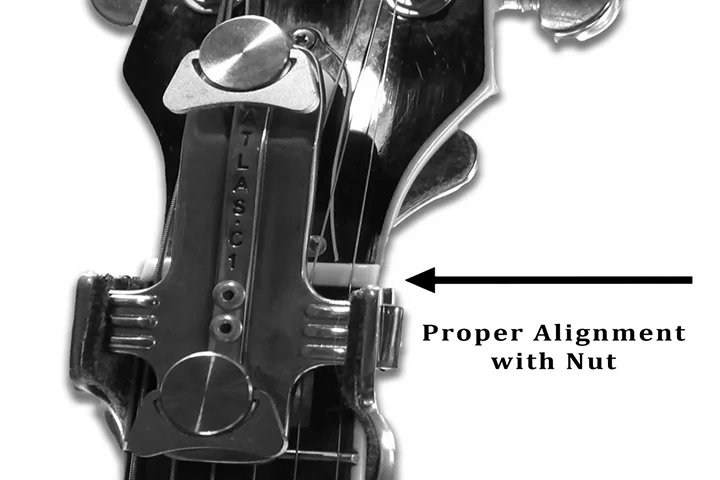
Our team at Atlas C1 designs tools that protect the headstock and neck junction during travel, storage, and repair. If you are looking for a way to protect your neck while you monitor it, you can also take advantage of a 10% product discount on our range, with free shipping available on orders.
Get started with Atlas C1 to protect your neck during storage and travel. Our tool counteracts 130+ pounds of string pressure tension and doubles as a pre-aligned repair jig.
The Science of Harmony through innovation and design Long Live the Six String™
Frequently Asked Questions
How can you tell if a guitar neck is starting to fail?
Early failure usually shows up as a gradual change rather than a sudden one. Watch for relief that keeps increasing, action that rises at the 12th fret, buzz that appears on the first few frets, or open strings that drift out of tune over a few days. Compare notes over several weeks. A single odd reading means little, but the same symptom appearing across repeated checks suggests the neck is moving, and that is the point to book a luthier's inspection.
How do you sight a guitar neck for warping or twisting?
Set the guitar flat on a stable surface and sight along the top of the frets from the headstock end, checking that the fret tops form a straight line. Then look down the neck from the body end to see whether the neck twists, with one side leaning higher than the other. Sighting gives you a visual baseline only. Confirm any suspicion with a straightedge and feeler gauges, and avoid adjusting anything until a luthier has confirmed the cause.
What does excessive neck relief look like on a guitar?
Excessive relief appears as a noticeable bow in the neck, with the middle of the fretboard curving away from the strings. Players usually notice it as high action around the middle frets combined with buzz on the lower strings in the first position. Because relief is set with the truss rod, a sudden or growing change in relief after a humidity swing is worth documenting and raising with a technician rather than correcting alone.
Can changes in string action indicate a guitar neck problem?
Yes. Action is the height of the strings above the frets, and a neck that is slowly moving will often change action before any other symptom is obvious. If the action rises at the 12th fret or becomes uneven from one side of the neck to the other, the neck geometry may be shifting. Measure action at the same spot each time so the readings you collect over time can actually be compared.