
Table of Contents
- What Makes a Travel Case Suitable for Extreme Weather
- Best Guitar Case for Air Travel in Harsh Conditions
- How to Pack a Guitar for Shipping in Cold and Wet Conditions
- Guitar Case Temperature and Humidity Protection During Transit
- Protecting a Guitar Headstock During Travel
- Durability Testing and Real-World Performance Standards
- Capacity, Organization, and Packing Space
- Common Mistakes When Traveling With Instruments in Harsh Weather
- Frequently Asked Questions
Last Updated: October 13, 2026
What Makes a Travel Case Suitable for Extreme Weather
When you transport a guitar through freezing temperatures, heavy rain, dust storms, or rapid humidity swings, extreme weather conditions demand a case that is your instrument's first line of defense. A travel case for extreme weather must seal out moisture, resist temperature fluctuations, absorb impact, and keep your guitar stable during air or ground transport.
A true extreme-weather travel case differs from a standard gig bag in three ways: material durability, environmental sealing, and internal support. A hard-shell exterior resists crushing, sealed seams and gaskets keep out water and humidity, and internal bracing stops your guitar from shifting during turbulent flights or rough handling.
What Counts as Extreme Weather for a Guitar Case
"Extreme weather" is not one condition but a set of distinct threats, each stressing a case differently. A case that performs well in desert heat may fail in freezing rain, and one that seals against rain may trap moisture in tropical humidity. Use this framework to match a case to your travel environment.
- Heavy rain and monsoons. The primary threat is liquid water ingress at seams, zippers, and latches. Look for gasket-sealed lids, welded or taped seams, and water-resistant zippers with storm flaps. A case that merely repels splashes is not enough for prolonged exposure.
- Snow and freezing temperatures. The threats are brittle plastics, stiff gaskets, frozen latches, and wood contraction. Materials must remain flexible below freezing. ABS plastic can become brittle in deep cold, while polycarbonate and fiberglass generally hold up better. Lubricate latches before cold trips.
- High heat and direct sun. The threats are softened plastics, warped foam, adhesive failure, and heat buildup inside the case. Light-colored exteriors reflect more heat. Avoid leaving a dark case in direct sun on a tarmac or in a parked vehicle.
- Dust and sand. The threat is abrasive particulate entering through zippers, drainage holes, and vents. Fine dust can scratch finishes and clog latches. Cases with covered zippers and sealed drainage plugs reduce intrusion.
- Humidity swings. The threat is internal moisture buildup and wood swelling or shrinking. A sealed case slows exchange but does not eliminate internal humidity. Desiccant packets and controlled ventilation help manage it.
- Storms and impact events. The threat is sudden drops, crushing, and water exposure at once. Reinforced corners, shock-absorbing foam, and a rigid shell matter most here.
Standardized Weather-Resistance Ratings and What They Mean
Manufacturers use a mix of rating systems that aren't directly comparable. Knowing the common ones helps you evaluate claims instead of trusting marketing language.
- IP ratings. The Ingress Protection (IP) system rates resistance to solids and liquids on a two-digit scale. The first digit (0-6) covers dust and solid objects; the second digit (0-8) covers water. An IP67 rating means dust-tight and protected against temporary immersion. An IPX4 rating means splash-resistant only. For guitar cases, true IP ratings are rare, but when a manufacturer cites one, it is a concrete benchmark.
- Hydrostatic head. This measures how much water pressure a fabric resists before leaking, expressed in millimeters. It is common for soft-sided bags and covers. A higher number means better rain resistance. A case or cover rated around 1,500 mm resists light rain; 5,000 mm and above handles sustained heavy rain.
- Water-resistant vs. waterproof vs. submersible. Water-resistant means the case slows water entry but will not stop it under pressure or prolonged exposure. Waterproof means water cannot penetrate under normal use. Submersible means the case survives full immersion. Most guitar cases are water-resistant at best; very few are genuinely waterproof.
- Seam construction. Sealed, welded, or taped seams outperform stitched seams for water resistance. Stitched seams create needle holes that water can wick through unless they are sealed after stitching.
Hard-Shell vs. Soft-Sided Protection
Hard-shell cases offer rigid protection against impacts and compression. Built from ABS plastic, fiberglass, or polycarbonate, they resist cracking under pressure and absorb force from baggage conveyors or stacked luggage without transferring it to your instrument.
Soft-sided cases are lighter but compress under weight, suiting only short trips or controlled environments. For extreme weather travel they fall short: they don't seal effectively against moisture and flex under pressure, shifting your guitar inside.
The real advantage of hard-shell cases in harsh conditions is structural integrity: your guitar stays exactly where you packed it, regardless of handling.
Waterproofing and Water-Resistant Materials
A water-resistant exterior is essential, but sealing keeps moisture out. Look for gasket-sealed latches and weatherstripping around the lid, which prevent water from seeping in at the joints, the most common entry point in heavy rain or humidity.
Materials matter too: polycarbonate and fiberglass resist water absorption better than standard plastic, while nylon or canvas soft cases retain moisture that can deteriorate your guitar's finish and swell the wood.
For extreme weather, sealed cases with drainage holes offer a practical balance. The holes prevent pressure buildup from temperature changes, but they're designed so water can't easily enter from the outside.
Best Guitar Case for Air Travel in Harsh Conditions
Flying with a guitar in winter, monsoon season, or on high-altitude routes requires a case engineered for protection and compliance. The best guitar case for air travel in harsh conditions combines TSA-friendly latches, reinforced corners, and internal shock absorption.
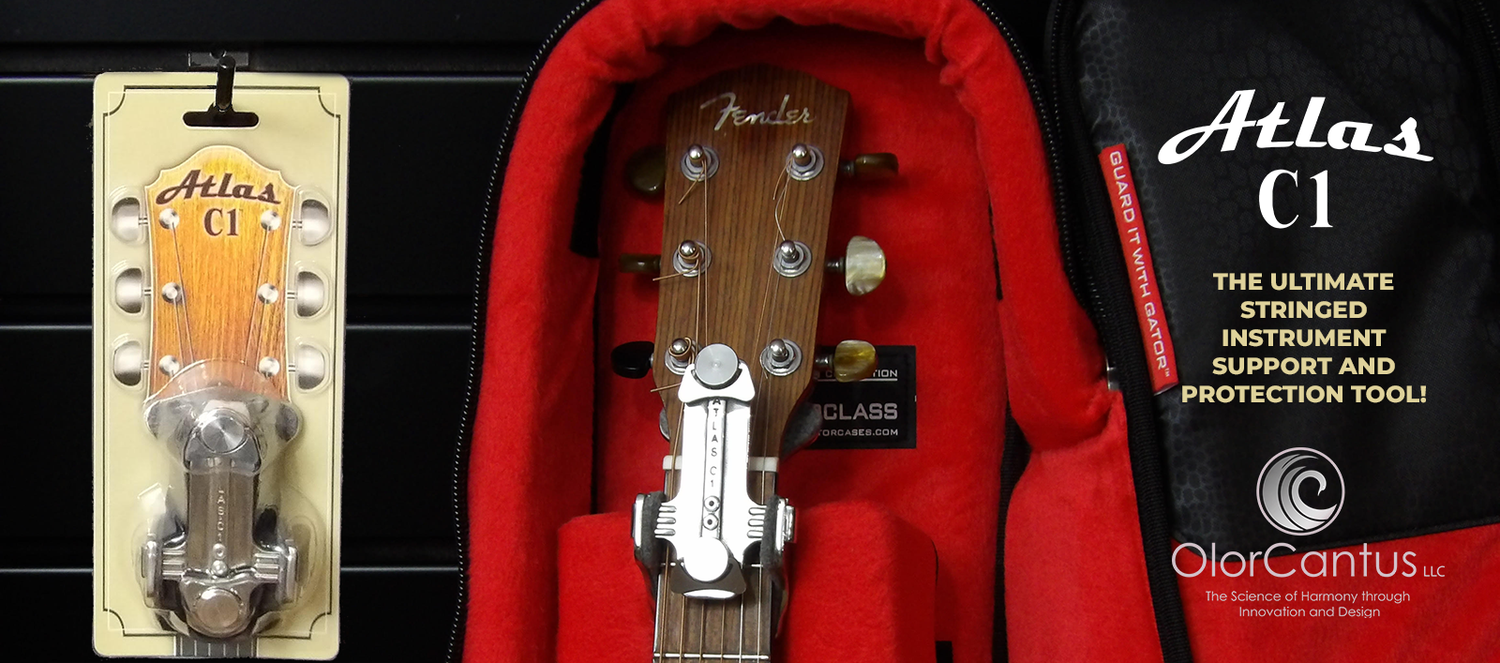
Your case must survive baggage handling, cargo-hold pressure changes, and extreme temperature differences between ground and altitude. A hard-shell travel case with internal padding, foam inserts, or a specialized headstock support tool like the Atlas C1 provides the protection touring musicians need.
Carry-On vs. Checked Bag Considerations
Carry-on cases keep your guitar under your control but face size and weight limits. Most airlines allow carry-on cases up to 22 x 14 x 9 inches, fitting many hard-shell travel cases, and your guitar never leaves your sight or faces the roughest handling.
Checked bags offer more space but travel in the cargo hold where temperature and pressure fluctuate, and they receive aggressive handling, thrown, stacked, and compressed alongside other baggage.
For extreme weather, carry-on is preferable if your case fits airline dimensions. If you must check your guitar, invest in a case with reinforced corners, shock-absorbing padding, and internal bracing that prevents movement during pressure changes.
Weight and Portability for Frequent Travelers
Touring musicians who fly 50+ times per year can't carry a 20-pound case through airports. Lighter hard-shell cases made from polycarbonate or thin fiberglass reduce fatigue without sacrificing protection; look for ergonomic handles and wheels if you move through multiple airports.
Portability doesn't mean compromising on extreme-weather protection: modern lightweight cases still offer sealed construction and internal support. The tradeoff is cost, but lighter materials and engineering are worth it if you travel frequently.
How to Pack a Guitar for Shipping in Cold and Wet Conditions
Packing technique matters as much as the case. Even a sealed case won't protect a loosely packed guitar that shifts during transport, and cold makes wood brittle while moisture causes swelling or finish damage. Your method must account for both.
Remove loose items from inside the guitar, cables, tuners, spare strings, which can rattle and damage the finish. Loosen the strings slightly to reduce neck tension, especially important in cold conditions where wood contracts.
Layering Technique and Protective Materials
Use multiple layers between your guitar and the case walls: start with a soft cloth or microfiber towel around the body, then add bubble wrap or closed-cell foam, focusing on the sides and back where the walls are closest.
For the neck and headstock, add extra padding: wrap the headstock separately with foam or bubble wrap and secure it gently so it doesn't move. The headstock-neck junction is the most vulnerable point on any guitar, especially during temperature swings.
Place packing cubes or foam blocks in empty spaces to prevent shifting if the case is dropped or tilted. In extreme cold, wood contracts slightly, so padding stops your guitar from rattling inside an otherwise sealed case.
Securing Strings and Tuning Pegs
Loosen your strings before packing but don't remove them. Slack strings reduce neck tension and stress during temperature changes; leave enough tension that they stay seated in the nut and bridge.
Wrap a soft cloth around the headstock to protect the tuning pegs from impact. If using a specialized headstock support tool like the Atlas C1, install it per the manufacturer's instructions; these tools counteract string pressure and provide rigid support to the headstock-neck junction, critical when shipping through harsh conditions.
Ensure the bridge stands straight and isn't leaning; a stressed bridge can shift during transport and damage the guitar's top. Use small foam blocks underneath if needed.
Guitar Case Temperature and Humidity Protection During Transit
Temperature swings during air travel can be extreme: your guitar might sit on a tarmac at 95°F, then move into a 40°F cargo hold within minutes. This rapid change contracts wood, stressing joints and finishes.
Humidity changes are equally damaging. A sealed case keeps moisture out but doesn't stop trapped air inside from becoming humid, which can swell the wood.
Sealing and Ventilation Balance
A truly sealed case keeps external moisture out but traps air inside, which becomes saturated in extreme humidity. The solution is controlled ventilation through small drainage holes that equalize pressure without letting water in.
Look for rubber or silicone drainage plugs, which let air circulate while blocking water in rain or high humidity. Some cases also include desiccant packets that absorb internal moisture on long trips.
For temperature protection, a sealed case insulates and buffers rapid changes, slowing how fast your guitar's interior temperature shifts. This lets the wood adjust gradually rather than contracting suddenly, reducing stress on joints and finishes.
Protecting a Guitar Headstock During Travel
The headstock is where 80% of shipping damage occurs. It's the thinnest, most protruding part of your guitar and bears all the string tension, so impacts and pressure changes during travel can snap it clean off the neck, a repair that often leaves permanent damage.
Why the Headstock-Neck Junction Is Vulnerable
The headstock-neck junction is a stress point: strings pull downward with 130+ pounds of pressure, which is why the headstock angles backward on most designs. During travel, acceleration forces, pressure changes, and impacts all work against this junction.
In cold, wood contracts and can create tiny gaps in the glue joint that separate on impact; in humidity, wood swells and pressures the joint from inside.
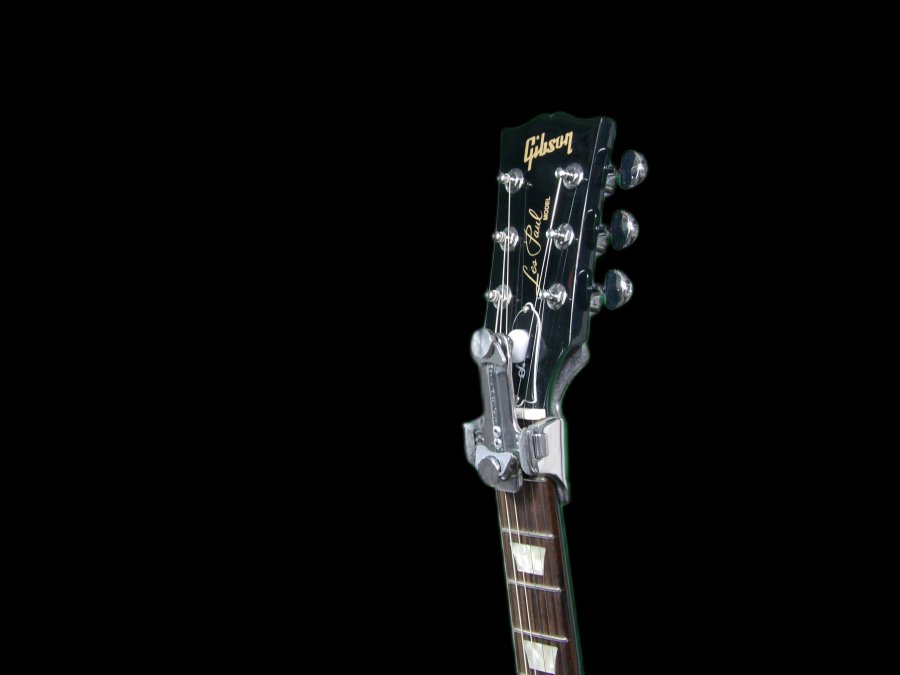
A hard-shell case with proper internal support is the first line of defense, but specialized headstock protection tools like the Atlas C1 provide targeted support that prevents damage even during rough handling. They counteract string pressure and hold the headstock in alignment, which is why touring professionals use them.
Internal Support Systems and Bracing
Quality travel cases include internal foam or rubber bracing that holds your guitar in place. The best designs cradle the headstock separately from the body so impacts don't transfer force to the junction.
Some cases use adjustable foam blocks positioned around your guitar's shape; others use molded inserts for standard sizes. Either way, the goal is to eliminate movement so firmly that your guitar can't shift even if the case is dropped.
For extra protection when shipping in extreme conditions, use a pre-aligned repair jig like the Atlas C1. It provides rigid support to the headstock-neck junction, especially valuable for high-value vintage guitars or Gibson-style instruments with angled headstocks.
Durability Testing and Real-World Performance Standards
Not all hard-shell cases are equal. Some are tested for drops, stacking, and pressure changes; others fail the first time they're checked as baggage. The difference shows in how a manufacturer tests and documents performance, not in shelf appeal.
Common Test Methods You Can Ask About
Luggage testing often follows methods from organizations such as ASTM International and the International Safe Transit Association (ISTA). You needn't memorize the standards, but knowing the categories helps you ask better questions.
- Drop testing. Cases are dropped from set heights onto corners, edges, and faces. A common pattern is repeated drops from heights that simulate baggage-handling equipment. Ask how many drops and from what height.
- Compression and stacking. Cases are loaded with weight to simulate being buried under other luggage. A rigid shell should resist deformation without transferring force to the instrument.
- Vibration testing. Cases are shaken on a table to simulate road and air transport. This reveals whether internal padding stays in place or compresses over time.
- Temperature and humidity cycling. Cases are moved between hot, cold, wet, and dry environments to test seals, adhesives, and materials. This is the most relevant test for extreme-weather use.
- Water spray and immersion. Spray tests simulate rain; immersion tests simulate flooding or standing water. Most guitar cases are spray-resistant, not immersion-rated.
- Abrasion and impact on wheels and handles. These are the parts that fail first on rolling cases. Look for replaceable wheels and reinforced handle mounts.
How to Evaluate Manufacturer Claims
Marketing terms like "weatherproof" or "airline-proof" aren't standards. A specific rating, test standard, or warranty term is a stronger signal. Ask these questions:
- Does the case carry an IP rating, and if so, what are the two digits?
- Is there a hydrostatic head rating for any fabric components?
- Are seams welded, taped, or stitched and sealed?
- What is the warranty period, and does it cover water damage or impact damage?
- Are replacement parts such as wheels, latches, and gaskets available for purchase?
Temperature Limits and Material Performance
Materials behave differently at temperature extremes, and every case has limits.
- Below freezing. ABS plastic can become brittle and crack on impact. Polycarbonate and fiberglass generally retain more flexibility. Rubber gaskets stiffen and may not seal as well until they warm up. Lubricate latches and avoid opening a cold case in a warm room, which can cause immediate condensation on the instrument.
- High heat. Thermoplastic shells can soften, and foam inserts can lose shape or off-gas. Adhesives holding padding in place may fail. Light-colored cases and reflective covers reduce heat absorption.
- Rapid temperature change. Moving from a cold cargo hold to a warm terminal creates condensation inside a sealed case. Allow the case to acclimate gradually before opening it.
Real-World Testing in Severe Conditions
Lab tests are useful, but field use reveals failure modes labs miss. Touring musicians, expedition travelers, and shipping professionals generate the most reliable long-term data through repeated cycles of rain, cold, heat, and handling.
Cases tend to fail at the same points: latches, hinges, wheels, and the lid seal. Look for user reports mentioning these areas after extended harsh-condition use; a strong track record over hundreds of travel days beats impressive lab numbers with no field history.
Capacity, Organization, and Packing Space
A travel case needs room for your guitar plus essentials. Most hard-shell cases hold a single guitar with space for cables, strings, tuners, and small tools, and some include removable organizer pockets.
In extreme weather, extra packing space is valuable: you can add protective layers, foam, bubble wrap, or blankets without cramping your guitar. A case that's too tight forces minimal packing and less protection.
Organization matters too: loose accessories can shift and damage your guitar's finish. Internal pockets or organizer panels keep everything in place and prevent rattle.
Common Mistakes When Traveling With Instruments in Harsh Weather
Many musicians pack incorrectly, negating the protection of a quality case. The most common mistakes:
- Packing too loosely. Your guitar should be held firmly so it can't shift. Loose packing means your guitar moves during transport, which can cause damage even inside a hard case.
- Ignoring the headstock. Wrapping the body carefully but leaving the headstock unprotected defeats the purpose. The headstock needs as much attention as the body.
- Skipping internal bracing. Empty space inside the case means your guitar can move. Fill gaps with foam, padding, or a specialized support tool.
- Not accounting for temperature. Loosening strings is essential in cold conditions. Tight strings increase stress on the neck during temperature changes.
- Forgetting drainage. In humid conditions, sealed cases can trap moisture. Use cases with drainage holes or include desiccant packets to manage humidity.
- Choosing weight over protection. A lightweight case that doesn't protect your guitar isn't worth the convenience. Invest in proper protection, even if it means carrying more weight.
Protecting your guitar with travel cases for extreme weather protection requires the right case, proper packing technique, and targeted support for vulnerable areas like the headstock. A hard-shell travel case with sealed construction, internal bracing, and drainage ventilation provides the foundation. Specialized tools like the Atlas C1 add an extra layer of protection by providing rigid support to the headstock-neck junction, where most shipping damage occurs. This combination, quality case plus targeted headstock protection, keeps your guitar safe during air travel, ground transport, and storage in harsh conditions. The Atlas C1 doubles as a pre-aligned repair jig, making it a lifetime investment that protects your instrument and simplifies repairs if damage occurs. When you order the Atlas C1, take advantage of free shipping on your purchase and receive a 10 % product discount. Get started with the Atlas C1 and ship your guitar with confidence, knowing the most vulnerable part of your instrument is protected against the forces of travel.
Frequently Asked Questions
What features should a guitar travel case have for extreme weather?
A case for extreme weather needs water-resistant or waterproof exterior materials, sealed seams and closures, internal padding that absorbs shock, and ventilation that prevents moisture buildup. Hard-shell cases offer superior protection against impact and crushing, while the interior should include foam padding and support systems that prevent movement. For guitars with angled headstocks, dedicated headstock support is critical to prevent the neck-junction damage that occurs under string pressure during transport.
Are hard-shell guitar cases better for air travel?
Hard-shell cases provide superior protection during air travel because they resist crushing from luggage stacking and impacts from rough handling. They also seal better against moisture and temperature swings in cargo holds. Soft-sided cases are lighter and fit more easily into overhead bins as carry-on luggage, but they offer less protection against external damage. For checked baggage or frequent flying, hard-shell construction is the stronger choice, especially in cold or wet climates where pressure from other luggage can cause structural failure.
How can I protect a guitar from temperature and humidity changes while traveling?
Use a case with sealed construction to minimize air exchange with the outside environment. Avoid opening the case immediately after exposure to temperature swings, as condensation can form on the instrument. Pack moisture-absorbing materials like silica gel packets inside the case, and ensure ventilation ports are not completely blocked, which prevents pressure buildup that can crack wood. Keep the guitar in its case during climate transitions, and allow 30 minutes for internal temperature to stabilize before opening.
How do you pack a guitar safely for shipping in cold or wet weather?
Start by loosening the strings slightly to reduce tension on the neck, then wrap the headstock and neck with foam padding or bubble wrap to protect the vulnerable headstock-neck junction. Place the guitar in a padded case or gig bag, then wrap the entire case in plastic sheeting to create a moisture barrier. Use packing cubes or compression materials to fill empty space and prevent movement. For extreme cold, avoid shipping during temperature extremes when possible, and include a note requesting the carrier keep the package out of direct weather exposure.