
Last Updated: October 26, 2026
Quick Summary
Your guitar needs professional setup when you notice high action, fret buzz, tuning instability, or visible neck damage. These signs indicate interconnected systems like the truss rod, frets, and bridge need adjustment by a professional to restore playability and sound quality.
- High action causes hand fatigue and makes clean notes harder to play
- Fret buzz occurs when strings contact frets they shouldn't, affecting tone and sustain
- If your guitar won't stay in tune after replacing strings, professional setup may be necessary
- Visible cracks or warping at the headstock-neck junction require immediate professional attention
- Regular setups catch small problems before they become expensive structural issues
Table of Contents
- Why Guitar Setup Matters for Your Playing
- When Your Guitar Action Is Too High
- Identifying Guitar Fret Buzz and What It Means
- Your Guitar Won't Stay in Tune
- Visible Damage to the Headstock or Neck
- How Often to Get a Guitar Setup
- Temperature and Humidity Changes Affecting Your Instrument
- The Cost of Ignoring Setup Problems
- Protecting Your Guitar with the Right Tools
- Frequently Asked Questions
Why Guitar Setup Matters for Your Playing
A guitar that needs professional setup affects everything from how it feels under your fingers to whether it stays in tune. When your instrument isn't properly adjusted, you're fighting against it instead of playing it. The headstock-neck junction, frets, action, and truss rod all work together to determine playability and sound quality. A professional setup addresses these interconnected systems so your guitar performs the way it should.
Most guitarists don't realize how much a guitar needs professional setup to transform their playing experience. You might think your guitar is just "difficult" when the real problem is that it's been neglected. The good news is that recognizing when your guitar needs a professional setup is straightforward once you know what to look for.
Whether you're a touring musician or a casual player, understanding the signs that your guitar needs a professional setup can save you money and frustration. Below, we'll walk you through the most common indicators that it's time to call in a professional.
When Your Guitar Action Is Too High
High action is one of the most obvious signs your guitar needs a professional setup. Action refers to the distance between the strings and the fretboard. When this distance is too great, you have to press harder to make clean notes, which leads to hand fatigue and makes playing less enjoyable.
You can measure action with a straightedge and ruler, but you don't need precise numbers to know something's wrong. If your fingers hurt after a short practice session or you're struggling to form clean chords, high action is likely the culprit. The ideal action varies by playing style and guitar type.
High action often develops gradually. String tension pulls on the neck over time, and humidity changes can shift wood dimensions. A professional setup can address action. Improper truss rod adjustment can damage your guitar.
Here are the most common signs that indicate your guitar needs professional setup attention.
| Sign | What It Means | What to Do |
|---|---|---|
| High action | Distance between strings and fretboard is too great | Professional setup can address it |
| Fret buzz | Vibrating string contacts fret it shouldn't | Diagnose neck relief, fret wear, or action |
| Won't stay in tune | Guitar drifts out of tune shortly after tuning | Check tuning pegs, nut, or bridge |
| Visible neck damage | Cracks, breaks, or warping at headstock or neck | Seek professional advice immediately |
Identifying Guitar Fret Buzz and What It Means
Fret buzz occurs when a vibrating string contacts a fret it shouldn't, creating an unwanted buzzing or rattling sound. This is another clear sign your guitar needs a professional setup. Sometimes buzz happens only on certain frets or in specific positions on the neck, while other times it's more widespread.
Buzz that interferes with sustain or tone quality needs attention. Common causes include a neck that has lost its proper relief, frets that have worn unevenly, or action that's set too low. Each cause requires a different fix, which is why diagnosis matters.
Fret buzz can frustrate any player, but it's particularly noticeable on electric guitars with lower action or acoustic guitars where you're already fighting to get clean notes.
Your Guitar Won't Stay in Tune
If your guitar constantly drifts out of tune, even shortly after tuning, a professional setup may be necessary. This issue has several potential causes, and identifying the right one is crucial.
Worn tuning pegs, a nut cut incorrectly, or bridge issues can all cause tuning instability. Sometimes the problem is simpler, like old strings or a bridge that's shifted position.
Tuning instability is particularly frustrating for recording or performing, where consistency matters. If you've already replaced your strings and the problem persists, that's a strong sign your guitar needs professional setup. Don't assume your guitar is just "temperamental", there's usually a fixable reason behind it.
Visible Damage to the Headstock or Neck
Visible cracks, breaks, or warping at the headstock or neck are serious red flags that demand professional attention. These areas are under constant stress from string tension, which can exceed 130 pounds of pressure.
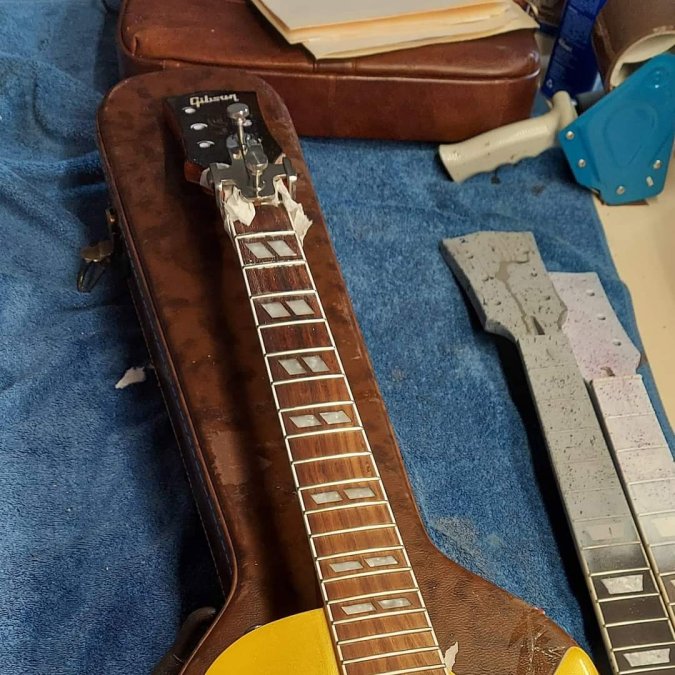
The headstock-neck junction is vulnerable to damage. If you notice any separation, crack, or splintering in this area, seek professional advice.
For valuable guitars, consider protection. Learn more about guitar neck reinforcement and long-term structural integrity to understand how to protect your investment. If damage has already occurred, you can explore comparing professional neck reset services versus DIY repair tools to understand your options.
How Often to Get a Guitar Setup
Think of a setup as preventive maintenance, not just a repair. Regular setups catch small problems before they become expensive ones. A technician can spot early signs of neck issues, fret wear, or hardware problems during a routine setup. This early detection saves money and keeps your guitar in peak condition.
Temperature and Humidity Changes Affecting Your Instrument
Learn more about preventing neck tension damage during storage and transport to protect your instrument during travel and between playing sessions.
The Cost of Ignoring Setup Problems
The real cost of ignoring setup problems isn't just money, it's the frustration of playing an instrument that fights you. You might practice less, enjoy playing less, or eventually stop playing altogether. A properly set up guitar invites you to play more, which is where the real value lies.
Protecting Your Guitar with the Right Tools
Protecting your guitar starts with how you store and transport it. The headstock-neck junction needs particular attention.
Guitar Center's guide to instrument storage and protection covers the basics of case selection and storage conditions. Specialized tools designed for headstock protection can support the vulnerable headstock-neck junction.
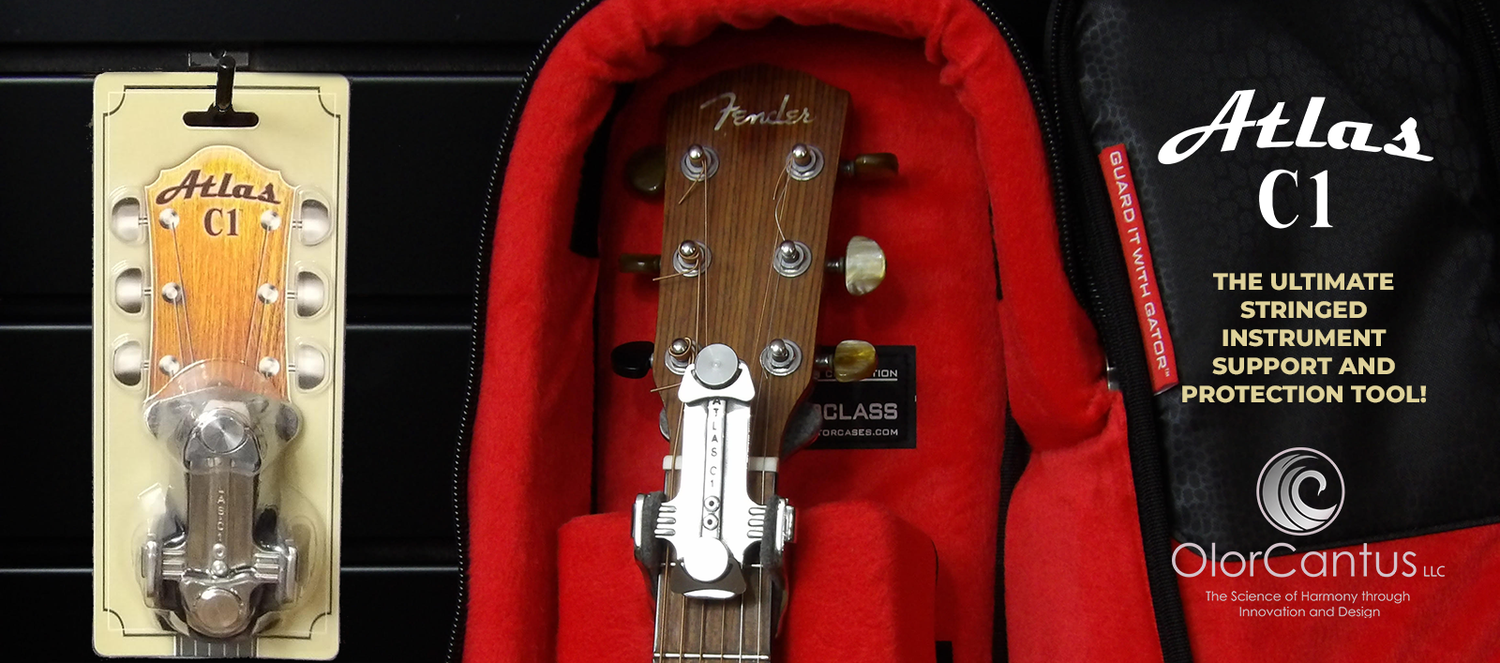
The Atlas C1 is a precision-engineered tool designed to protect this area. It provides support that counteracts string tension during travel, shipping, or storage. Beyond protection, it doubles as a pre-aligned repair jig, which simplifies repairs if damage does occur. When you order the Atlas C1, you'll receive a 10% product discount and free shipping.
Discover the Atlas C1 headstock support and protection tool to learn about its support during transport.
Recognizing when your guitar needs a professional setup can help you decide when to seek professional attention. High action, fret buzz, tuning instability, and visible damage are signs to consider. The Atlas C1 is designed to protect instruments during travel, shipping, or storage and doubles as a pre-aligned repair jig.
Frequently Asked Questions
How do I know if my guitar needs a professional setup?
Your guitar may need professional attention if you notice high action making it hard to play, fret buzz when strings vibrate against frets, tuning instability, or visible damage to the headstock or neck.
Can a guitar setup fix fret buzz?
Fret buzz can have different causes. A professional can assess the instrument and advise on next steps.
How often should a guitar get a professional setup?
Most guitars benefit from a professional setup every 1-2 years, or more frequently if you play daily, travel often, or experience significant temperature and humidity changes. New guitars should be set up before regular use. Vintage or high-value instruments may need more frequent attention. Touring musicians often schedule setups before and after major trips to ensure peak performance and prevent damage during transport.
What should I do if my guitar headstock shows cracks or damage?
For traveling musicians or collectors with valuable instruments, the Atlas C1 provides support for the vulnerable headstock-neck junction during transport and storage and doubles as a pre-aligned repair jig.