
Last Updated: October 23, 2026
Quick Summary
Protecting your guitar finish from stand contact means covering every contact point with a cloth barrier of clean cotton or cotton twill, or replacing reactive padding with felt, cork, or finish-safe foam. Soft vinyl, cheap rubber, and degrading foam can soften or bond to nitrocellulose lacquer, so test pads and check contact points every few weeks.
- Wrap each contact point fully with cotton or cotton twill, securing tape on the back away from the guitar.
- Press a thumbnail into a pad; a mark that stays or a greasy feel signals risk to nitro.
- Spot test padding on clean glass for 48 hours in a warm room before it touches your guitar.
- Keep humidity at 45 to 55 percent and rotate guitars off stands every 2 to 4 weeks.
- Wait at least 30 days after a refinish before placing the guitar on any stand.
Table of Contents
- Why Stand Contact Is a Real Threat to Your Guitar Finish
- Is a Guitar Stand Nitro Finish Safe? What You Need to Know
- Finish-by-Finish Compatibility: Nitrocellulose, Poly, and Satin
- Guitar Stand Padding Material: What's Safe and What Isn't
- How to Test Stand Materials Before They Touch Your Guitar
- Guitar Stand Finish Damage: How to Spot It and What to Do
- Installing and Maintaining a Cloth Barrier at Contact Points
- Environmental Factors: Heat, Humidity, and Contact Time
- When a Stand Isn't Enough: Case Storage and Headstock Protection
- Frequently Asked Questions
Why Stand Contact Is a Real Threat to Your Guitar Finish
A guitar stand holds your instrument at three or four small contact points, and those points press against the finish for hours, days, or years. That constant pressure is where damage starts. Players often blame the stand itself when the real culprit is the material touching the finish.
Here's what most guides get wrong: they treat stand safety as a yes-or-no question. It isn't. The risk depends on the finish, the padding material, the room, and how long the guitar sits there.
Below, we'll show you exactly how to protect a guitar finish from stand contact, step by step. You'll learn which materials are safe, how to test them, and how to spot damage early.
Is a Guitar Stand Nitro Finish Safe? What You Need to Know
Most guitar stands are safe for a nitro finish, but only when the padding is finish-safe and contact stays short. The danger comes from certain rubbers, vinyls, and foams that react with nitrocellulose lacquer.
Nitrocellulose lacquer is a thin, solvent-based finish used on many vintage and high-end guitars. It stays slightly reactive for years. That means some materials can soften it, stain it, or fuse to it.
A common question we hear is whether a guitar stand nitro finish safe setup even exists. It does. The key is choosing the right padding and adding a barrier.
- Nitro is softer and more reactive than modern poly finishes
- Prolonged contact with the wrong material causes most damage
- A cloth barrier solves most of the risk
Finish-by-Finish Compatibility: Nitrocellulose, Poly, and Satin
Different finishes behave differently on a stand. Treating them all the same is how players end up with a ruined finish.
Nitrocellulose lacquer is the most sensitive. It can soften, imprint, or stick to reactive materials. Vintage instruments with aged nitro need the most care.
Polyurethane and polyester finishes are hard and stable. They resist most stand materials well, though long contact with cheap vinyl can still leave marks.
Satin finishes sit in between. They hide scratches better than gloss, but they can show shiny wear spots where a stand presses.
| Finish Type | Sensitivity | Main Risk | Best Practice |
|---|---|---|---|
| Nitrocellulose lacquer | High | Softening, sticking, imprinting | Cloth barrier, finish-safe pad |
| Polyurethane/polyester | Low | Minor marks | Standard finish-safe pad |
| Satin | Medium | Shiny wear spots | Soft cloth at contact points |
| Oil/wax | Medium | Discoloration | Avoid harsh materials |
Guitar Stand Padding Material: What's Safe and What Isn't
The right guitar stand padding material protects your finish. The wrong one attacks it. This is the single most important choice you'll make.
Safe materials include:
- Cotton and cotton twill
- Cork
- Felt
- Finish-safe foam labeled for instrument use
Materials to avoid or cover:
- Soft vinyl and PVC
- Cheap rubber blends
- Old, degrading foam
- Any pad that feels tacky or leaves a residue
If you want a curated list of add-on protection, see our guide to must have guitar stand accessories for extra protection. It covers the small extras that add a layer of safety.
How to Test Stand Materials Before They Touch Your Guitar
Most guides tell you to press a pad against a hidden spot and wait. That advice is risky: a hidden spot is still your finish, and a reactive material can leave a permanent mark there. A safer approach is to test the material itself, not your guitar, and to watch for specific warning signs before any contact.
Here is a cautious, repeatable method that most repair technicians recommend:
- Identify the material. Check the stand's packaging or manufacturer specifications for the pad composition. If it is unlabeled, assume it is reactive until proven otherwise.
- Run a spot test on a separate sample. If you can remove a small piece of the padding (or obtain a sample from the manufacturer), place it on a clean glass surface in a warm room (around 75-80°F) for 48 hours. Glass is non-porous and will reveal residue, tackiness, or outgassing without risking a finish.
- Check for migration. After 48 hours, look for an oily film, a sticky residue, or a visible imprint on the glass. Any of these indicates plasticizer or solvent migration that can bond to nitrocellulose lacquer.
- Do a controlled finish test only if necessary. If you must test on the guitar, choose an area under a pickup cavity cover or control cavity plate, never an exposed surface. Apply the material for no more than 24 hours, then inspect for softening, clouding, or a faint outline. Stop immediately if the finish feels tacky.
- Document and retest. Record the stand model, pad material, and test date. Retest older pads every six months, because foam and vinyl degrade over time and become more reactive.
Warning signs that a pad is unsafe:
- A tacky or greasy feel
- Visible cracking or crumbling
- A faint chemical odor
- Any residue left on glass after the spot test
- A pad that has hardened or discolored
This method is not a guarantee. Material formulations vary, and aged pads can behave differently than new ones. When in doubt, replace the pad with a known finish-safe material or install a cloth barrier.
Guitar Stand Finish Damage: How to Spot It and What to Do
Finish damage from a stand usually shows up as softening, stickiness, cracking, imprinting, discoloration, or residue. Catching it early is everything.
Check your contact points every few weeks. Look for:
- A tacky or sticky feel
- Dull or cloudy patches
- A faint outline of the pad
- Cracking around the contact area
- Residue that won't wipe off
If you spot damage, remove the guitar from the stand at once. Clean gently with a soft cloth. Do not use harsh solvents, which can make it worse.
If the damage reaches the wood or headstock, stop and get it looked at. Our guide on what happens if a guitar headstock breaks explains repair options and what to expect.
Installing and Maintaining a Cloth Barrier at Contact Points
A cloth barrier is the simplest, cheapest fix for stand contact. Cotton or cotton twill wrapped around each contact point stops most reactions.
Here's how to install one:
- Cut strips of clean cotton or cotton twill
- Wrap each contact point fully, with no pad exposed
- Secure the cloth with tape on the back side, away from the guitar
- Check that no tape touches the finish
- Replace the cloth when it gets dirty or worn
Maintenance matters as much as installation.
- Wash or replace cloth barriers regularly
- Re-wrap if the cloth slips or thins
- Inspect tape for residue
- Replace worn pads underneath
A cloth barrier works because it separates the finish from the reactive material. It's not a permanent fix, but it's reliable when maintained.
Environmental Factors: Heat, Humidity, and Contact Time
Heat, humidity, and contact time are the multipliers that turn a borderline stand material into a finish disaster. A pad that is safe in a cool, dry room can become aggressive in a hot car or a humid garage. Understanding the mechanisms helps you set safe limits.
Heat softens nitrocellulose lacquer and accelerates chemical reactions between the finish and pad materials. Finish softening can begin at sustained temperatures above 80°F, and the risk rises sharply above 90°F. A closed car in summer can reach 120-140°F within an hour, which is why leaving a guitar on a stand in a vehicle is never safe.
Humidity affects finishes in two ways. High humidity (above 60% relative humidity) can trap moisture against the finish under a pad, leading to clouding or blush. Low humidity (below 40%) can cause the wood to shrink, which stresses the finish and makes it more prone to cracking at contact points. Aim for a stable 45-55% relative humidity where guitars are displayed.
Contact time is the simplest factor to control. The longer a reactive material touches the finish, the more opportunity for plasticizers or solvents to migrate. A common pattern is that damage appears after weeks or months of continuous contact, not hours. Rotate guitars off stands every few weeks so no single contact point sits indefinitely. For long-term storage, use a case rather than a stand.
Finish curing is an often-overlooked factor. New nitrocellulose finishes continue to cure for months after spraying. During that period, the finish is more reactive and more vulnerable to imprinting. Most manufacturers recommend waiting at least 30 days before placing a newly finished guitar on a stand, and some recommend 60-90 days for thick finishes.
Practical guidelines:
- Keep stands away from direct sun, radiators, and heating vents.
- Maintain stable humidity with a room humidifier or dehumidifier as needed.
- Rotate instruments off stands every 2-4 weeks.
- Avoid leaving any guitar in a car or unconditioned space.
- Wait at least 30 days after a refinish before stand contact.
These factors interact. A reactive pad in a cool, dry room with short contact may be fine, while the same pad in a warm, humid room with months of contact can ruin a finish. Control what you can, temperature, humidity, and time, and use a cloth barrier to reduce the remaining risk.
When a Stand Isn't Enough: Case Storage and Headstock Protection
A stand protects nothing during travel, shipping, or long storage. That's where case storage and headstock protection take over.
Case storage keeps the guitar away from contact materials and stable conditions. For collectors, that's the safer default. Our guide on safe guitar storage for collectors covers the details.
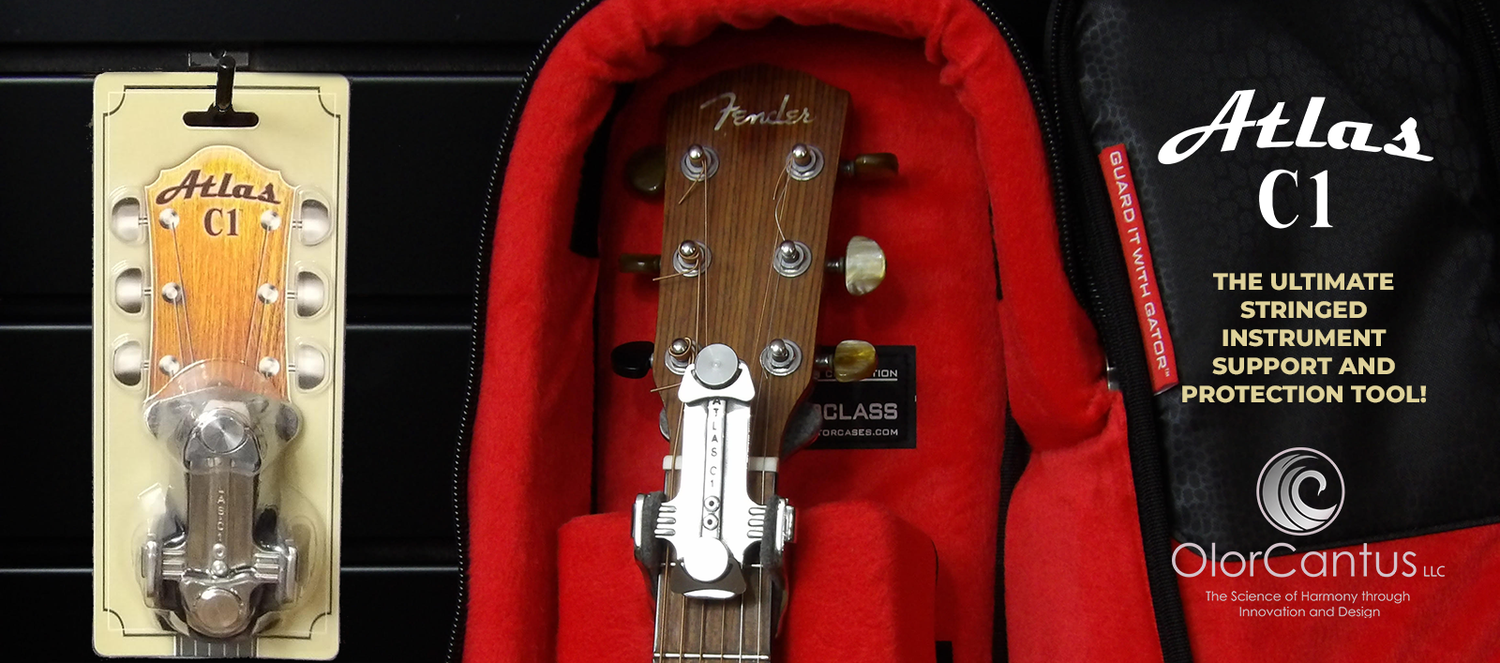
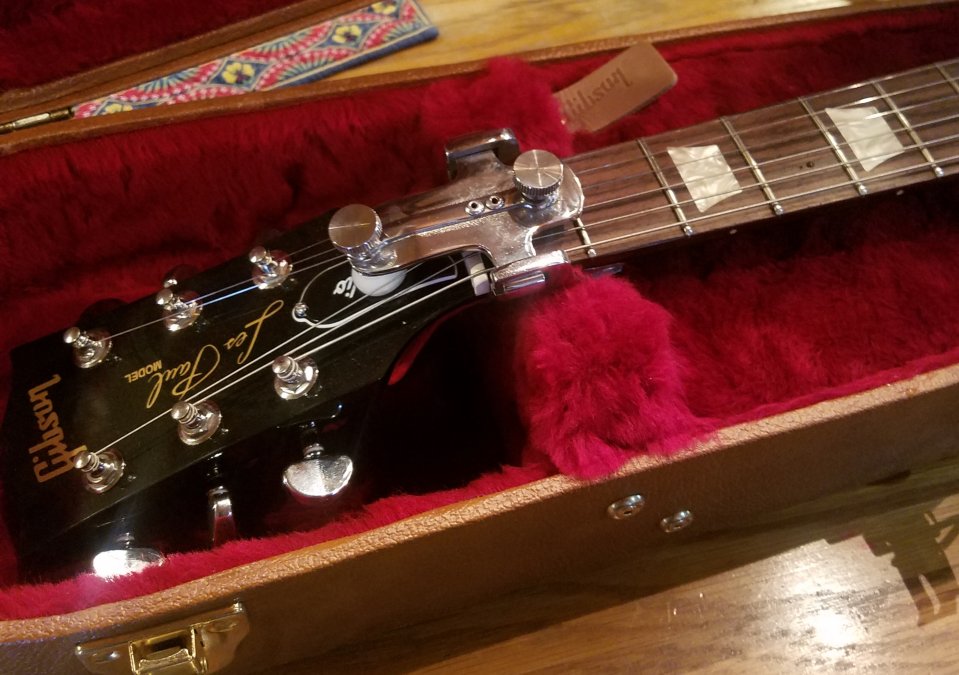
The headstock-neck junction is the most fragile part of many guitars. It carries heavy string tension and takes the hit in a fall. The Atlas C1 is a universal, patent-protected tool that supports that junction during travel and storage. It also doubles as a pre-aligned repair jig for common headstock breaks.
If you're weighing protection beyond a stand, you can see how the Atlas C 1 guitar headstock protector works and view the Atlas C1 directly. It's also worth checking the current offer, since the Atlas C1 comes with a 10 % product discount and free shipping. Buy Now.
| Situation | Best Protection | Why |
|---|---|---|
| Display at home | Finish-safe stand + cloth barrier | Prevents contact damage |
| Frequent travel | Headstock protector + case | Guards the neck junction |
| Long-term storage | Hard case, stable climate | Avoids contact and humidity |
| Repair work | Pre-aligned jig | Keeps alignment correct |
Frequently Asked Questions
Can a guitar stand damage a guitar's finish?
Yes. Many guitar stands use rubber, vinyl, or foam padding that can react with nitrocellulose lacquer over time. The chemicals in these materials can soften, discolor, or crack the finish where the guitar contacts the stand. Damage often appears as a sticky residue or a dull imprint after weeks of contact. Polyurethane and polyester finishes are more resistant, but prolonged pressure from any stand can still leave marks. Always check your stand's padding material and consider a cloth barrier.
Which guitar stand padding materials are safe for nitrocellulose finishes?
Cotton, cotton twill, felt, and untreated cork are generally safe for nitro finishes because they don't contain plasticizers or solvents that react with lacquer. Avoid vinyl, PVC, soft rubber, and foam, which can off-gas chemicals that soften nitro. If you're unsure about a stand's padding, wrap the contact points with a cotton cloth or replace the padding entirely. Testing a small hidden area first is the safest approach before trusting any material against your guitar's finish.
How do I protect a guitar from stand contact?
Start by identifying every point where the guitar touches the stand: the neck cradle, body rests, and any lower bout supports. Wrap those points with a clean cotton cloth or cotton twill, securing it with tape that doesn't touch the finish. Inspect the padding regularly for deterioration. For long-term display, consider a stand with cork or felt pads, or use a wall hanger with finish-safe covering. If your guitar lives on a stand for months, check the contact points weekly for stickiness or discoloration.
Is it safer to store a guitar in a case than on a stand?
A case eliminates stand contact entirely, which is the safest option for vintage or high-value instruments with nitro finishes. However, cases aren't practical for daily playing or display. If you use a stand, limit contact time and use a cloth barrier. For touring musicians, a case plus a headstock protection tool like the Atlas C1 addresses the most vulnerable area, the headstock-neck junction, during transport. The best choice depends on how often you play and the value of the instrument.
Stand contact is one of the quietest threats to a guitar finish, and it's one you can control. Start with finish-safe padding, add a cloth barrier, and check your contact points often. When a stand can't protect your guitar, the Atlas C1 steps in with patent-protected support for the headstock-neck junction, a design that counteracts 130+ pounds of string tension, and a second life as a repair jig. Get started with Atlas C1 and keep your finish and headstock safe for the long haul.