
Table of Contents
- Why Luthiers Need the Right String Choice
- Ernie Ball vs. D'Addario Guitar Strings: What Sets Them Apart
- Best Guitar Strings for Luthiers: Key Evaluation Criteria
- Electric Guitar String Gauge Guide for Professional Setup
- How to Choose Guitar Strings for a Guitar Setup
- Top Ernie Ball Alternatives for Professional Luthiers
- Protecting Your Setup Investment During Shipping and Storage
- Frequently Asked Questions
Last Updated: October 19, 2026
Why Luthiers Need the Right String Choice
Choosing the right guitar strings matters more than most players realize. For luthiers and guitar technicians, this decision shapes everything: setup stability, repair outcomes, and long-term instrument care. The strings you recommend directly affect how your clients' guitars perform and how often they return for adjustments.
Ernie Ball has dominated the market for decades, but it's not the only option, and the best ernie ball alternative for luthiers depends on your workshop priorities and client needs. This guide explores why luthiers need alternatives to Ernie Ball, what to evaluate when selecting strings, and which replacements deliver superior consistency and reliability for workshop use.
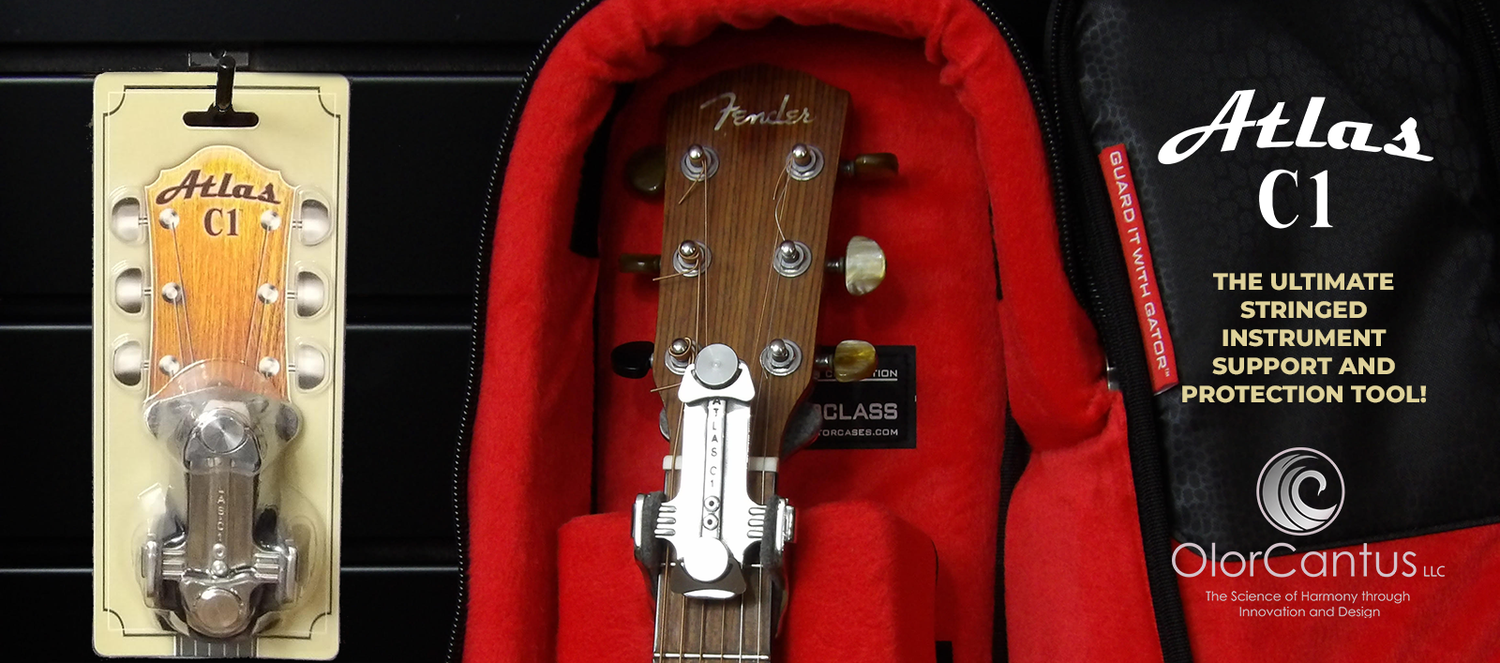
At Atlas C1, we understand the pressures luthiers face: protecting expensive instruments, managing client expectations, and recommending products that won't create callbacks. The right string choice is part of that protection strategy.
Ernie Ball vs. D'Addario Guitar Strings: What Sets Them Apart
Ernie Ball and D'Addario represent two fundamentally different philosophies in string manufacturing. Understanding the difference helps explain why luthiers increasingly look for alternatives.
Ernie Ball prioritizes brightness and snap. Their nickel-wound construction emphasizes high-end response, which appeals to players seeking cutting tone and dynamic feel. For touring musicians and studio work, this clarity is valuable. However, that same brightness comes with trade-offs: batch consistency can vary, and the tonal character shifts noticeably as strings age.
D'Addario takes a different approach. Their NYXL line uses a different manufacturing process that emphasizes consistency across batches and extended lifespan. The tone remains stable longer, and the feel stays predictable from one set to the next. For luthiers setting up instruments, this consistency matters enormously, it means your setup work holds, and clients experience reliable performance over weeks, not days.
The core difference: Ernie Ball optimizes for character and brightness. D'Addario optimizes for stability and longevity. In a workshop, stability wins.
Best Guitar Strings for Luthiers: Key Evaluation Criteria
Professional string selection isn't about personal preference. It's about measurable factors that determine workshop success: consistency, compatibility with your setup workflow, and how well strings perform under real-world conditions.
Consistency Across Batches and Sets
This is the hidden factor most guides skip, and it's the one luthiers mention first.
When you order 10 sets of strings for inventory, you need confidence that set #1 and set #10 will play identically. Inconsistent manufacturing means your setup work drifts. A guitar you balanced perfectly on Monday plays differently on Friday because the replacement strings have tighter tolerances or different winding density.
Consistency affects:
- Tuning stability (how quickly strings settle)
- Intonation predictability (how reliably they hold pitch under playing pressure)
- Setup repeatability (whether your neck relief and action adjustments hold across different string sets)
Brands that prioritize consistency use tighter quality control and more stable manufacturing processes. This is measurable: compare the variance in string gauge across multiple sets from the same manufacturer. Tighter tolerances equal better workshop performance.
Compatibility with Setup and Repair Work
String choice directly impacts your repair workflow, especially for headstock breaks and neck issues.
When you're working on a headstock repair, aligning the break, applying clamps, and allowing glue to cure, string tension matters. The typical electric guitar string set creates 130+ pounds of tension across the headstock-neck junction. A repair jig like the Atlas C1 counteracts that pressure, holding the break in proper alignment while adhesive sets. Strings with inconsistent tension or unpredictable settling behavior complicate this process.
For setup work, consistent strings mean your measurements hold. If you dial in neck relief with one set and the client installs different strings with looser tolerances, your setup shifts. That's a callback.
Electric Guitar String Gauge Guide for Professional Setup
String gauge, measured in thousandths of an inch, directly determines tension and playability. Professional luthiers select gauge based on the instrument, the player's style, and the setup goals, but the workshop decision goes further than the player-facing advice most guides offer. Gauge changes ripple through every adjustment you make, so treat the gauge as a setup input, not a preference.
Standard electric guitar string sets range from .009 to .046 (light gauge) through .012 to .054 (heavy gauge). The first number is the high E string; the last is the low E.
Light gauge (.009-.042):
- Lower tension on the neck
- Easier finger action
- Faster string response
- Best for: soloing, fast playing, players with smaller hands
- Trade-off: requires more frequent tuning adjustments
Medium gauge (.010-.046):
- Balanced tension and playability
- Stable tuning across playing sessions
- Fuller tone with moderate effort
- Best for: general-purpose playing, recording, touring
- Trade-off: none significant for most players
Heavy gauge (.012-.054):
- High tension on the neck
- Fuller tone, more sustain
- Requires stronger finger strength
- Best for: drop tuning, prog metal, players seeking maximum tone
- Trade-off: harder to play for extended sessions
How Gauge Changes Affect the Setup
When a client moves from .009s to .010s or .011s, the total string tension rises, and the neck responds. Most practitioners find that a one-gauge step up adds enough tension to increase neck relief slightly, which means you may need to tighten the truss rod to restore the target relief. The reverse applies when dropping gauge: relief decreases, and you may need to loosen the rod. Document the gauge on the work order so the next setup starts from a known reference.
Intonation shifts with gauge because the string's mass and tension change the point where harmonics align. After a gauge change, check intonation at the 12th fret and adjust saddle position. A guitar intonated for .009s will read sharp or flat at the octave with .011s until you compensate.
Nut slots are cut for a specific string diameter. Moving up a gauge can bind in slots cut for lighter strings, causing tuning instability and pinging; moving down can cause buzzing or poor seating. If the client plans a permanent gauge change, measure the slots with feeler gauges or nut files and recut as needed. This is one of the most common sources of callbacks after a string change.
Tremolo balance depends on total tension. On a floating tremolo, a gauge change alters the balance between string pull and spring tension. A step up in gauge pulls the bridge forward; you will need to add spring tension or adjust the claw to restore the float position and tuning stability. On a fixed bridge, the effect is limited to neck relief and intonation.
Gauge Selection by Instrument and Player
For luthiers, gauge selection determines your setup reference points. A guitar set up for .009s will feel loose with .012s installed. Always confirm the player's intended gauge before finalizing setup measurements, and ask whether the player plans to change gauge or tuning in the near future. Players who alternate between standard and drop tunings often benefit from a slightly heavier set that holds tension in both, but that choice affects relief and intonation, so test it before delivery.

How to Choose Guitar Strings for a Guitar Setup
The selection process follows a clear sequence: assess the player's needs, match those to string characteristics, verify compatibility with the instrument, and document your choice for future reference.
Assessing Tone and Playability Needs
Start by asking the player three questions:
What's your playing style? Genre shapes string preference. A prog metal player needs different characteristics than a blues guitarist. Metal players typically choose heavier gauge for lower tunings and sustain. Blues players often prefer lighter gauge for bending and dynamic control.
How long do you typically play? Extended sessions favor lighter gauge and lower tension. Shorter, intense sessions can handle heavier gauge without fatigue.
What's your experience level? Newer players benefit from lighter gauge and lower action. Experienced players often prefer heavier gauge for tone control and can manage the physical demands.
These answers narrow your options significantly.
Material Winding and String Lifespan
String material determines tone character and durability. The three common types are:
Nickel-wound strings (Ernie Ball's standard) deliver brightness and snap. Nickel plating over steel creates high-end response. Lifespan: 3-6 weeks of regular playing before noticeable tone loss.
Pure nickel strings (vintage tone, less common) offer warmth and reduced brightness. They're softer than nickel-wound, which affects playability slightly. Lifespan: 2-4 weeks before tone dulls.
Stainless steel strings (premium option) provide maximum brightness and longest lifespan. They resist corrosion and maintain tone longer. Lifespan: 8-12 weeks before significant tone loss.
For workshop use, stainless steel makes sense if the client plays frequently. The extended lifespan means fewer string changes and more stable setup conditions. Nickel-wound works for general use and players with moderate string-change frequency.
Top Ernie Ball Alternatives for Professional Luthiers
The best ernie ball alternative for luthiers below are organized by the criteria that matter in a workshop: batch consistency, setup compatibility, tone profile, and cost/availability for professional stocking. Most player-facing guides rank strings by feel and tone alone; this shortlist adds the evaluation lens a luthier needs when recommending strings to clients or stocking inventory.
How Luthiers Evaluate Alternatives
Before comparing brands, establish the criteria you will use. Consistency across batches is the first filter: order multiple sets from the same production run and measure string diameter with calipers at several points along each string. Tighter variance means your setup work holds when the client replaces strings. Tuning stability is the second filter: install a set, tune to pitch, and note how many play-in cycles it takes to settle. Setup compatibility is the third: check whether the gauge and tension match the instrument's nut slots, relief target, and bridge type. Cost and availability is the fourth: compare per-set cost and whether the brand is stocked locally or requires special order, since a string you cannot restock quickly is a liability in a busy shop.
A practical testing method is to install the same gauge from each brand on similar instruments, record relief and intonation before and after, and note tuning drift over the first week of playing. This is not a laboratory study, but it gives you workshop evidence you can use when recommending strings to clients.
D'Addario NYXL: Consistency and Brightness
D'Addario NYXL strings represent the consistency standard luthiers compare everything else against. The NYXL line uses a different manufacturing process that creates tighter tolerances and more predictable performance.
Why luthiers prefer NYXL:
- Batch consistency is measurable and reliable
- Tuning stability settles faster than competing brands
- Tonal character remains stable for extended playing periods
- Lifespan extends beyond standard nickel-wound options
Tone profile: NYXL delivers brightness comparable to Ernie Ball but with more midrange presence. The tone doesn't thin out as quickly as strings age.
Best for: Recording sessions, touring musicians who need predictable performance across multiple shows, luthiers setting up instruments for critical listening environments.
Trade-off: Slightly stiffer feel compared to traditional nickel-wound strings. Players accustomed to Ernie Ball's softer response may need a week to adjust.
GHS Strings: Warmth and Durability
GHS occupies a different position than D'Addario. They prioritize warmth and longevity over maximum brightness.
Why luthiers choose GHS:
- Exceptional winding consistency
- Warm tone that appeals to blues, jazz, and vintage-focused players
- Extended lifespan, often 8+ weeks before noticeable tone loss
- Reliable tuning stability across setup work
Tone profile: GHS delivers a warmer, rounder tone than Ernie Ball. The reduced brightness suits players seeking vintage character or those playing through tube amplifiers.
Best for: Jazz players, blues musicians, vintage instrument owners, players who prefer warmth over cutting tone.
Trade-off: If a player expects Ernie Ball brightness, GHS will feel duller initially. This is tone preference, not a defect.
Fender 250L: Balanced Tone and Feel
Fender's 250L line represents a middle ground between brightness and warmth. The construction balances playability with tonal character.
Why luthiers recommend Fender 250L:
- Smooth, consistent feel across the string set
- Balanced tone, neither overly bright nor dull
- Reliable performance in general-purpose playing
- Good value without sacrificing consistency
Tone profile: Fender 250L delivers a neutral tone that works across multiple genres. Not the brightest option, not the warmest, designed for versatility.
Best for: Players exploring different genres, general-purpose use, beginners and intermediate players developing their ear.
Trade-off: Lacks the specialization of D'Addario or GHS. If a player has specific tonal requirements, a more specialized brand may serve better.
Shortlist by Use Case
- Recording and critical listening: D'Addario NYXL for stable tone and predictable settling.
- Vintage and warm-tone instruments: GHS for warmth and winding consistency.
- General-purpose setups and value: Fender 250L for balanced tone and availability.
- High-volume workshop stocking: Compare per-set cost and local availability; choose the brand you can restock quickly without special order.
Manufacturer string specifications and gauge charts
Protecting Your Setup Investment During Shipping and Storage
Once you've selected the right strings and completed your setup work, protect that investment during transport and storage.
String tension creates constant pressure on the headstock-neck junction, the most vulnerable point on any guitar. During shipping, rough handling amplifies that stress. A protective solution like the Atlas C1 stabilizes the headstock and counteracts string pressure, preventing breaks that would undo your setup work and create expensive repairs.
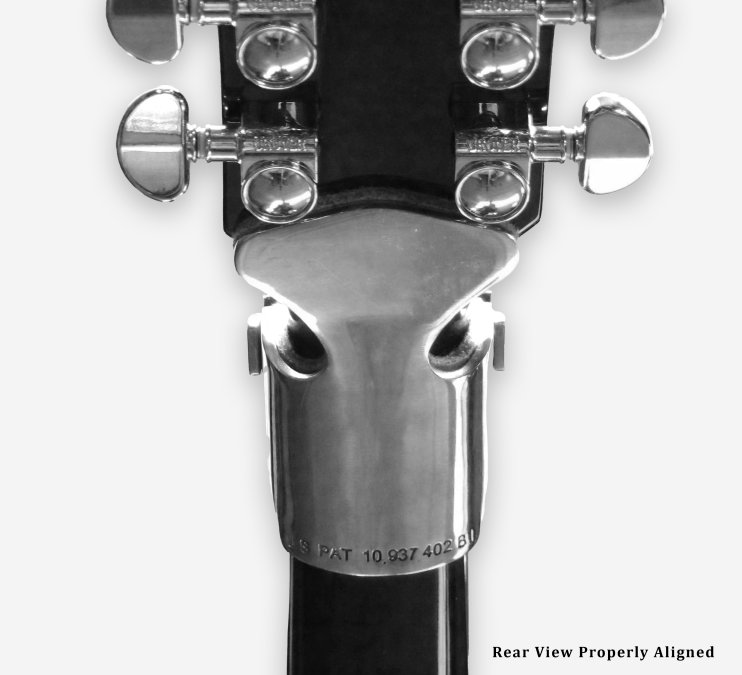
For luthiers storing instruments between jobs or clients shipping guitars for service, headstock protection is insurance. The Atlas C1 doubles as a pre-aligned repair jig, so if a break does occur, you have the proper alignment tool ready. When you stock Atlas C1 units, you also gain access to free shipping on orders, making it easier to maintain inventory without logistics friction.
Choosing the right string alternative to Ernie Ball comes down to consistency, compatibility with your setup workflow, and long-term performance. D'Addario NYXL, GHS, and Fender 250L each deliver measurable advantages in different areas: consistency, warmth, or versatility.
The real protection, though, extends beyond strings. When you pair the right string choice with proper instrument support during transport and storage, you eliminate the most common failure points. The Atlas C1 protects the headstock-neck junction with a precision-engineered design that prevents costly breaks while serving as a pre-aligned repair jig. For luthiers managing high-value instruments and clients' expectations, that combination, the right strings plus the right protection, defines professional care. Qualified buyers can also take advantage of a 10% product discount on Atlas C1 units, making professional-grade headstock protection an accessible investment in your workshop's reputation.
Frequently Asked Questions
What makes D'Addario a better alternative to Ernie Ball for luthiers?
D'Addario NYXL strings offer superior consistency across batches, which is critical for luthiers performing setups and repairs. While Ernie Ball strings deliver classic tone, D'Addario's tighter manufacturing tolerances mean gauge and tension remain predictable from set to set. This consistency simplifies the setup process and reduces the need for adjustment compensation. For professional work where repeatability matters, this edge often justifies the switch.
How should luthiers choose guitar strings for a guitar setup?
Start by identifying the playing style and instrument type. Electric guitar setups typically use .009-.046 or .010-.046 gauges; acoustic work often requires .012-.053 or heavier. Consider the string material: nickel-wound strings suit most electric work, while pure nickel offers warmth for vintage-style playing. Test consistency by ordering multiple sets from the same production batch, then check tuning stability and intonation after 24 hours. This approach ensures the strings support your setup rather than fighting it.
What electric guitar string gauge should I recommend for different playing styles?
Lighter gauges (.008-.038 or .009-.042) suit soloists and shredders who prioritize speed and bend-ability. Standard gauges (.010-.046) work well for rock and general playing. Heavier gauges (.011-.049 or .012-.054) deliver thicker tone and better sustain for drop tunings and prog styles. Luthiers should stock multiple gauges and discuss playing style with clients; the right choice balances tone, feel, and the instrument's neck relief and bridge setup.
How do string materials affect the setup and repair process?
Nickel-wound strings (the standard for electric guitars) provide consistent tension and predictable intonation across the fretboard. Pure nickel strings offer warmer tone but slightly different tension characteristics, requiring minor setup adjustments. Stainless steel strings deliver brightness and durability but can accelerate fret wear. When recommending strings for a fresh setup, match the material to the client's existing setup; switching materials mid-repair can introduce unexpected tension changes that compromise your work.