
Table of Contents
- What a Guitar Neck Repair Jig Does
- Headstock Glue Jig vs. Spline Routing: Which Repair Method You Need
- Broken Guitar Headstock Repair: When a Jig Saves Money
- How to Choose the Right Repair Jig for Your Needs
- Guitar Luthier Tools: Professional-Grade vs. DIY Options
- Setup, Repeatability, and Ease of Use
- Protection During Travel and Storage
- Verdict: Which Repair Jig Deserves Your Investment
- Frequently Asked Questions
Last Updated: October 15, 2026
What a Guitar Neck Repair Jig Does
A guitar neck repair jig is a specialized tool designed to support and align a broken or damaged headstock during the repair process. It holds the instrument steady while glue cures or while you route reinforcement splines into the wood. The jig eliminates guesswork by pre-positioning the neck at the correct angle and providing consistent clamping pressure across the joint.
The vulnerable headstock-neck junction bears enormous stress. A guitar's strings pull with over 130 pounds of tension, and that force concentrates at the thinnest point of the instrument. A single hard bump during travel, or years of string tension on a weakened joint, can snap the headstock clean off. Without proper support during repair, you risk misalignment that will throw off the instrument's playability and resale value.
A good jig does three things: it prevents the break from shifting while glue sets, it ensures the headstock returns to its original angle, and it simplifies the process enough that a non-luthier can attempt a repair at home. For touring musicians, collectors, and anyone who values their instruments, understanding the difference between jig types is the first step toward protecting an investment.
Headstock Glue Jig vs. Spline Routing: Which Repair Method You Need
Broken headstocks fall into two categories, and each requires a different approach. Understanding which one applies to your situation determines which tool you actually need.
Headstock Glue Jig for Impact Damage
When a guitar takes a direct hit, dropped from a stand, hit against a doorframe, or crushed in a case, the headstock often breaks cleanly at the neck joint. The break is usually a simple fracture where the wood separates but the grain is intact. This is impact damage, and it's the most common headstock break.
A headstock glue jig clamps the broken pieces together while epoxy or wood glue cures. The jig holds the headstock at the correct angle relative to the neck, preventing the joint from setting misaligned. This matters because even a 1-degree shift changes how the strings sit over the frets and affects tuning stability.
Impact breaks are straightforward to repair if you have the right support. The wood itself is sound; it just needs to be held together firmly while the adhesive sets. A glue jig eliminates the need for complex clamping rigs or multiple clamps positioned at awkward angles. It's the reason many professional luthiers recommend this method for straightforward breaks.
Guitar Neck Spline Jig for Reinforcement
Some breaks, especially on vintage instruments or after repeated stress, leave the joint weakened even after gluing. The wood fibers have crushed or separated in a way that glue alone won't fully restore. In these cases, a spline reinforces the joint.
A spline is a thin strip of wood (usually a harder species like maple or walnut) routed into the break line. It bridges the fracture and adds mechanical strength beyond what adhesive provides. A guitar neck spline jig guides the router bit in a straight line through the break, ensuring the spline slot is precisely aligned and the same depth throughout.
Spline routing is more involved than simple gluing. It requires router control, accurate alignment, and careful spline fitting. But it produces a repair that's often stronger than the original wood. For vintage instruments, valuable guitars, or breaks that have failed before, a spline is the professional choice.
Broken Guitar Headstock Repair: When a Jig Saves Money
A quality repair jig lasts a lifetime.
But the financial case goes beyond a single repair. If you tour regularly, collect guitars, or own instruments valuable enough to insure, a jig is preventive medicine. It lets you stabilize a break immediately, before shipping an instrument to a repair shop, before a temporary fix becomes permanent damage, before a minor break becomes a catastrophic failure.
Total Cost of Ownership: Jig vs. Professional Repair
When you purchase a repair jig, you'll benefit from free shipping on your order, and many buyers also take advantage of a 10% product discount on their first purchase, which can meaningfully reduce your initial investment.
If a jig prevents even one break or enables one repair you would otherwise outsource, it can pay for itself. If you own multiple guitars or repair for others, the math favors owning the tool.
Do not ignore the cost of your time. A first-time repair with a jig may take two to four hours including setup and cleanup. A professional may complete the same repair in one to two hours with a better finish result. The jig saves money when you value the learning experience and the ability to act immediately, not when you bill your time at a high rate.
Prevention vs. Repair: Two Different Returns
A jig used as a protective support during travel or storage prevents headstock damage before it happens. That is a different return than using the same tool to repair a break. Prevention protects resale value because an unrepaired original headstock is worth more than a repaired one, even when the repair is professional.
Repair value comes from avoiding the shipping risk and turnaround time of sending an instrument out. If you are on tour and a headstock cracks, a jig lets you stabilize the break the same day. That can mean the difference between making the next show and canceling it.
When a Jig Is Not the Cheapest Option
If you have one inexpensive guitar and no plans to repair others, paying a professional may be cheaper than buying a jig and learning the process. If the break is complex, a jig will not save money because you still need professional skills. If you lack a stable workspace, clamps, and a router for spline work, the hidden tool costs can exceed the jig itself.
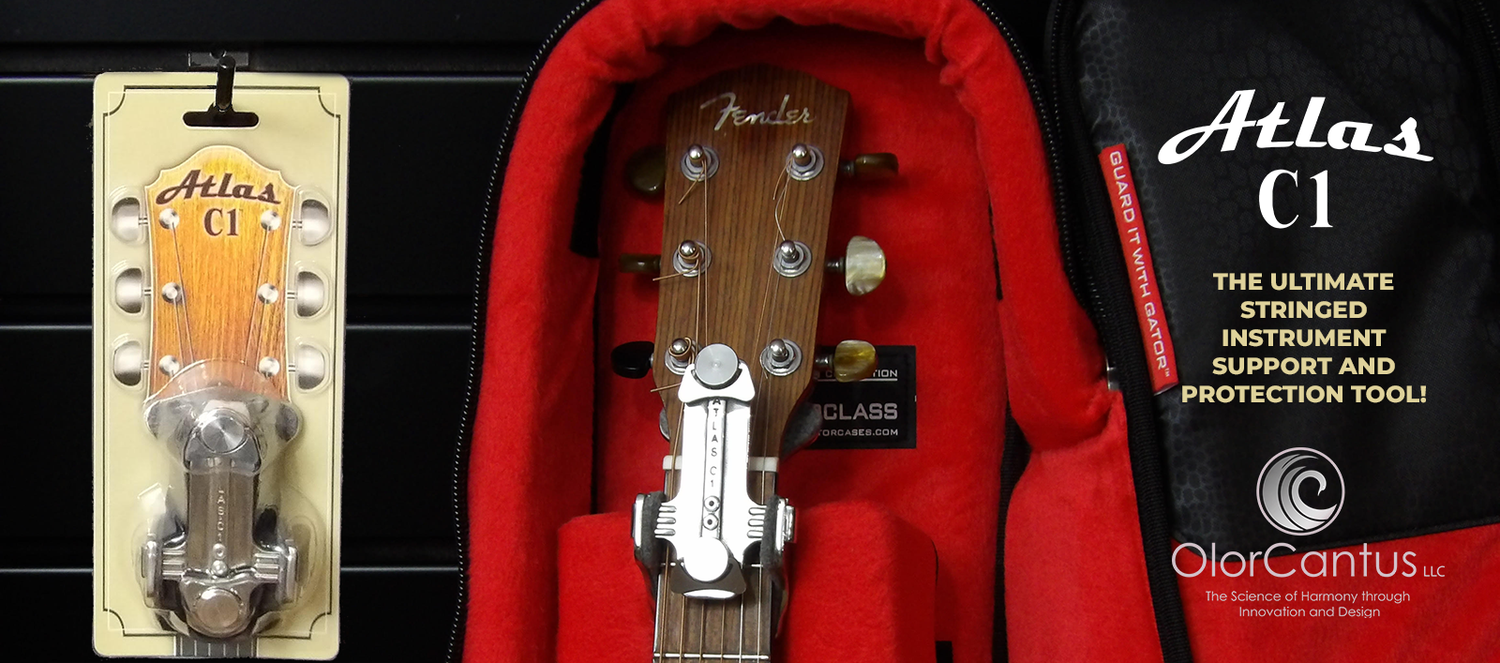
The Atlas C1 is designed to cover both sides of this equation. It works as a protective support during travel and storage, and it serves as a pre-aligned repair jig if damage occurs. That dual purpose means one purchase addresses prevention and repair, which is the strongest financial case for owning a jig.
How to Choose the Right Repair Jig for Your Needs
Choosing a repair jig comes down to matching the tool to the break, the instrument, and your workflow. The market splits into three broad categories, and each has a different cost structure and learning curve.
Compare Jig Types by Repair Scenario
| Jig Type | Best For | Typical Adjustment Range | Setup Time | What's Usually Included | Common Add-On Costs |
|---|---|---|---|---|---|
| Headstock glue jig | Clean impact breaks needing realignment | Fixed or limited angle range; some accept 13°-17° headstock pitches | 5-15 minutes | Clamping cauls, alignment blocks | Replacement pads, extra clamps ($15-$40) |
| Spline routing jig | Weak or previously repaired joints needing reinforcement | Adjustable for 3/8"-1/2" spline stock; depth stops | 15-30 minutes | Router guide bushing, depth stop | Router bit ($20-$45), spline stock ($5-$15) |
| Universal multi-function jig | Protection plus repair across multiple instruments | Broad; accommodates angled, straight, and slotted headstocks | 5-10 minutes | Protective padding, repair supports | Replacement foam, travel case ($30-$80) |
Budget for the add-ons above so you are comparing total cost of ownership, not just the sticker price.
Alignment and Precision Requirements
The best jigs maintain alignment within tight tolerances. When a headstock glues back together even slightly misaligned, the strings won't sit properly over the frets. The instrument becomes harder to play and tune, and the resale value drops.
Look for a jig that locks the headstock in place with minimal adjustment. Some designs use adjustable supports that require careful setup each time. Others have fixed positioning that works across multiple headstock angles. The less setup required, the more consistent your repairs will be.
Precision also matters during spline routing. A router bit can wander if the jig allows even slight movement. A rigid jig with a secure clamping system ensures the spline slot runs straight through the break. This prevents the bit from cutting into sound wood or leaving gaps in the reinforcement.
Compatibility Across Headstock Types
Gibson-style guitars have angled headstocks that point back at a steep angle. Fender-style instruments have straight headstocks. Some acoustic guitars have slotted headstocks. A universal jig must accommodate all three without modification.
The Atlas C1 is designed as a universal tool that works across different headstock geometries. It supports the vulnerable headstock-neck junction regardless of the instrument's design. This matters if you own multiple guitars or work on instruments for other musicians.
Check whether a jig requires different inserts, blocks, or adjustments for different headstock styles. Universal compatibility means you can grab the same tool for a Les Paul, a Stratocaster, or a Taylor acoustic without changing setup.
Setup, Repeatability, and Learning Curve
Setup time and repeatability separate tools that get used from tools that sit on a shelf. A glue jig with fixed stops may take five minutes to position and clamp. A spline routing jig with adjustable depth and angle may take twenty minutes the first time and ten minutes once you have a routine.
Repeatability means the second repair matches the first. Look for jigs with positive stops, indexed settings, or marked positions rather than friction-only adjustments. If you plan to repair more than one instrument, repeatability matters more than a lower price.
The learning curve is steepest for spline routing because you are guiding a router. Practice on scrap wood of similar species before cutting into a customer's instrument. Most practitioners find that two or three practice runs are enough to build confidence with a well-designed jig.
Safety, Limitations, and When Not to Use a Jig
A jig is not the right tool for every break. If the headstock is shattered into multiple pieces, if the break runs through the truss rod channel, or if the wood is crushed and missing, a jig alone will not produce a structural repair. Those cases need splinting, grafting, or a replacement headstock.
Routing safety deserves special attention. A router bit spinning at 20,000 RPM can grab and throw a workpiece if the jig does not hold it securely. Always clamp the jig to a stable bench, wear eye and hearing protection, and make shallow passes rather than one deep cut. Never route toward your body or your hands.
Finally, consider when to send the instrument to a professional. A jig helps with clean breaks and straightforward reinforcement. It does not replace experience with finish repair, structural grafting, or vintage instrument preservation. If the instrument is worth more than the cost of a professional repair, get a quote before you cut.
Guitar Luthier Tools: Professional-Grade vs. DIY Options
The market offers repair jigs across many quality and price. Some are handmade one-offs from woodworkers. Others are mass-produced generic fixtures. The best are engineered specifically for guitar repair.
Professional-grade jigs are built to tolerances that matter. They use materials that won't shift or flex under clamping pressure. They're designed by people who understand guitar geometry and the specific stresses a headstock joint experiences.
A DIY jig made from scrap wood and hardware store clamps can work in a pinch. But it often requires custom adjustment for each guitar, and the results are inconsistent. If you're repairing a valuable instrument, the difference between a purpose-built jig and a makeshift one is the difference between a successful repair and a gamble.
The Atlas C1 represents professional-grade engineering. It's patent-protected, designed specifically for headstock protection and repair, and built to handle the 130+ pounds of string tension that guitars experience. It's the kind of tool that works the same way every time you use it.
Setup, Repeatability, and Ease of Use
A good jig should be intuitive enough that a non-luthier can use it successfully. If setup takes an hour and requires measuring and adjustment, most people won't use it. If it works the same way every time without fiddling, people will reach for it.
Repeatability is crucial. The first time you use a jig, the repair might succeed by luck. The second time, you need to know you'll get the same result. A well-designed jig removes variables. It positions the headstock the same way each time, applies consistent pressure, and guides your tools reliably.
Ease of use also affects whether you'll actually use it for prevention. If the jig takes five minutes to set up, you'll use it when transporting guitars. If it takes thirty minutes, it'll sit in the closet. The Atlas C1 is designed for quick setup so it becomes part of your regular guitar care routine, not a hassle you avoid.
Protection During Travel and Storage

Beyond repair, a quality jig serves as ongoing protection. Touring musicians face constant risk. Guitars get bumped loading and unloading equipment. They shift in cases during flights. They sit in temperature swings and humidity changes that stress the neck joint.
A protective jig stabilizes the headstock during all of this. It counteracts the string tension that pulls on the joint during storage. It prevents the headstock from moving if the guitar shifts inside the case. It's the difference between a guitar that arrives at the next gig intact and one that develops a hairline crack that turns into a full break.
For collectors, a jig prevents damage that reduces value. Vintage guitars lose significant resale value if the headstock has been repaired, even if the repair was professional. Prevention is worth far more than the cost of the tool.
The Atlas C1 doubles as both protection and repair support. During travel, it stabilizes the headstock. If damage occurs, it becomes the jig you use to fix it. That dual purpose makes it a single investment that covers both prevention and repair.
Verdict: Which Repair Jig Deserves Your Investment
If you own guitars worth protecting, a professional-grade repair jig is essential. The choice comes down to what you're protecting and how often you need it.
For touring musicians, collectors, and anyone with instruments valuable enough to matter, the Atlas C1 stands out. It's engineered specifically for guitar headstock protection and repair. The patent-protected design ensures you're using a tool built by people who understand the problem. It works as both a preventive support during travel and a pre-aligned repair jig if damage occurs. The universal compatibility means it works on any guitar in your collection. And the lifetime durability means you buy it once and use it for decades.
The real value is peace of mind. When you know your instruments are protected, you can focus on playing instead of worrying about your gear.
Protecting a valuable guitar from headstock damage requires the right tool. The Atlas C1 is purpose-built for this exact problem. It prevents costly repairs through travel protection, and it simplifies the repair process if damage does occur. Get started with the Atlas C1 and keep your instruments safe for a lifetime of playing.
| Jig Type | Best For | Key Advantage | Setup Complexity |
|---|---|---|---|
| Headstock Glue Jig | Impact breaks needing realignment | Simple, straightforward repair | Low |
| Spline Routing Jig | Reinforcing weak joints | Adds mechanical strength | Medium |
| Universal Multi-Function (Atlas C1) | Protection + repair combined | Prevents damage before it happens | Low |
Frequently Asked Questions
What should I look for in a guitar neck repair jig?
A quality guitar neck repair jig must offer precise alignment to hold the headstock and neck in the correct angle during glue-up, accommodate your specific headstock type (angled or straight), provide stable clamping that won't slip under string tension, and allow repeatability across multiple repairs. Look for tools that address the vulnerable headstock-neck junction and include pre-aligned positioning to reduce setup time for users without luthier experience.
Can a guitar neck repair jig prevent headstock breaks during travel?
Yes. A dual-purpose repair jig designed for both protection and repair can support the headstock-neck junction during transport, counteracting string pressure and impact forces. Musicians who travel frequently or ship guitars benefit from tools that provide this preventive support, reducing the risk of costly headstock damage before it happens. This is especially valuable for high-value instruments and Gibson-style angled headstocks.
How much does it cost to repair a guitar neck break professionally?
A quality repair jig allows you to handle straightforward breaks yourself, eliminating labor costs. Even for complex repairs, owning a jig reduces the number of trips to a repair shop and provides a reliable tool for future damage prevention and maintenance.
Do I need a jig to repair a guitar headstock, or can I do it without one?
Technically, you can attempt a headstock repair with clamps and improvised supports, but alignment becomes difficult and break strength suffers. A purpose-built jig ensures the headstock returns to the correct angle, maximizes glue joint strength, and provides repeatability. For valuable instruments or frequent repairs, a jig is the difference between a weak repair that fails and one that lasts the instrument's lifetime.